Natural Appetite Suppressant: What Curbs Hunger
What is the best natural appetite suppressant?
The best natural appetite suppressant is not one thing — it is a stack of habits. Protein, soluble fiber, water and adequate sleep are the strongest hunger levers because they change satiety signals and hunger hormones directly. Supplement ingredients such as caffeine and garcinia HCA can add a modest short-term assist on top of those foundations.
- Protein and fiber at each meal are the most reliable, evidence-backed hunger reducers.
- Caffeine can blunt appetite short-term; garcinia HCA is taken 30–60 minutes before meals.
- Suppression is a tool that supports a calorie deficit — it is not a cure for overeating.
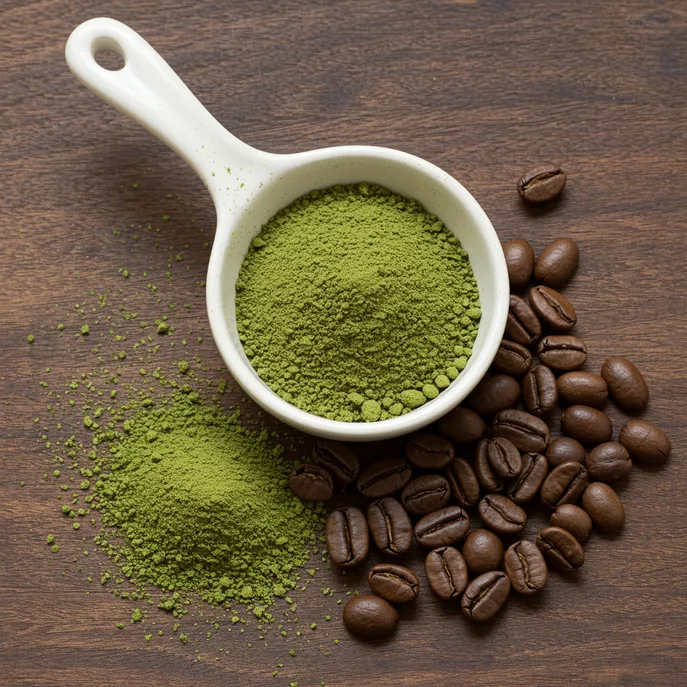
If hunger is the reason your diet keeps collapsing by mid-afternoon, you are not lacking willpower — you are fighting biology with the wrong tools. A good natural appetite suppressant approach works with that biology instead of against it, using the levers your body already responds to: protein, fiber, water, sleep, and a small handful of supplement ingredients that can take the edge off. This guide explains what genuinely curbs hunger, what only sounds like it does, and where a labeled product such as AlkaBurn — built around caffeine and a garcinia HCA angle — reasonably fits.
The promise of "kill your appetite in a pill" is everywhere, and it sells because hunger is exhausting to manage on discipline alone. The truth is more useful than the promise: appetite is very responsive to a few specific inputs, most of them free, and the right supplement is a supporting act rather than the star.
The four levers that actually move hunger
Before any capsule, get the foundations right, because nothing on a label competes with them. Four inputs do the vast majority of the work.
Protein is the single most satiating macronutrient. Meals built around eggs, Greek yogurt, fish, poultry or legumes keep you full longer and reduce the total calories you eat later in the day. If you change one thing, front-load protein at breakfast and lunch. Soluble fiber is the second lever: it slows digestion, feeds a fuller feeling, and smooths the blood-sugar swings that trigger cravings. Vegetables, oats, beans and fruit are doing more for your appetite than any proprietary blend.
Water is the most underrated of the four. Thirst is routinely mistaken for hunger, and drinking a glass or two before a meal reliably reduces how much you eat. Sleep is the lever people skip and then wonder why they are ravenous — short sleep pushes hunger hormones in the wrong direction and makes high-calorie food more tempting the next day. Fix sleep and your appetite gets easier to manage without any effort at the table.
These four are the reason we always say suppression is a tool, not a cure. Get them in place and a supplement has something to build on. Skip them and no capsule will rescue a plan that never stood a chance.
Where caffeine fits as a natural appetite tool
Caffeine is the most reliable of the supplement-side hunger tools, and it is why it appears in so many formulas, AlkaBurn included. For many people it blunts hunger in the short term and provides an energy lift that makes movement easier. The effect is genuine but modest and temporary — it is a nudge, not an off-switch — and it fades as tolerance builds. It also has one property you must respect: it stacks. The caffeine in a capsule lands on top of your coffee and tea, so the practical question is your daily total, not the dose in isolation.
Used well, caffeine buys you a window: a couple of hours where hunger is quieter and energy is higher, which is a good time to be productive rather than grazing. Used carelessly — late in the day, or on top of an already high intake — it costs you sleep, which sabotages the most important hunger lever of all. If you want the full mechanism, our explainer on how caffeine works for weight loss covers dosing and timing in detail.
The garcinia HCA angle, explained without hype
Garcinia cambogia is the other ingredient you will see attached to appetite claims, and it deserves an honest hearing rather than either the hype or the dismissal. It supplies hydroxycitric acid (HCA), and the standard approach is to take it 30 to 60 minutes before meals, on the hypothesis that HCA supports satiety and influences how the body handles carbohydrate. That is the theory. The human evidence is modest and mixed — some studies show a small appetite benefit, others show little — so the responsible framing is "a small potential aid," not "a proven hunger switch."
Where that leaves a shopper is simple: garcinia is reasonable to include and unreasonable to expect miracles from. If it is in a formula at a disclosed dose alongside better-supported ingredients, it is a fine passenger. If a product is built entirely on garcinia and sold on before-and-after drama, the marketing has outrun the science. For a deeper look at the studies, see our review of garcinia cambogia for weight loss.
Want a labeled appetite-support option?
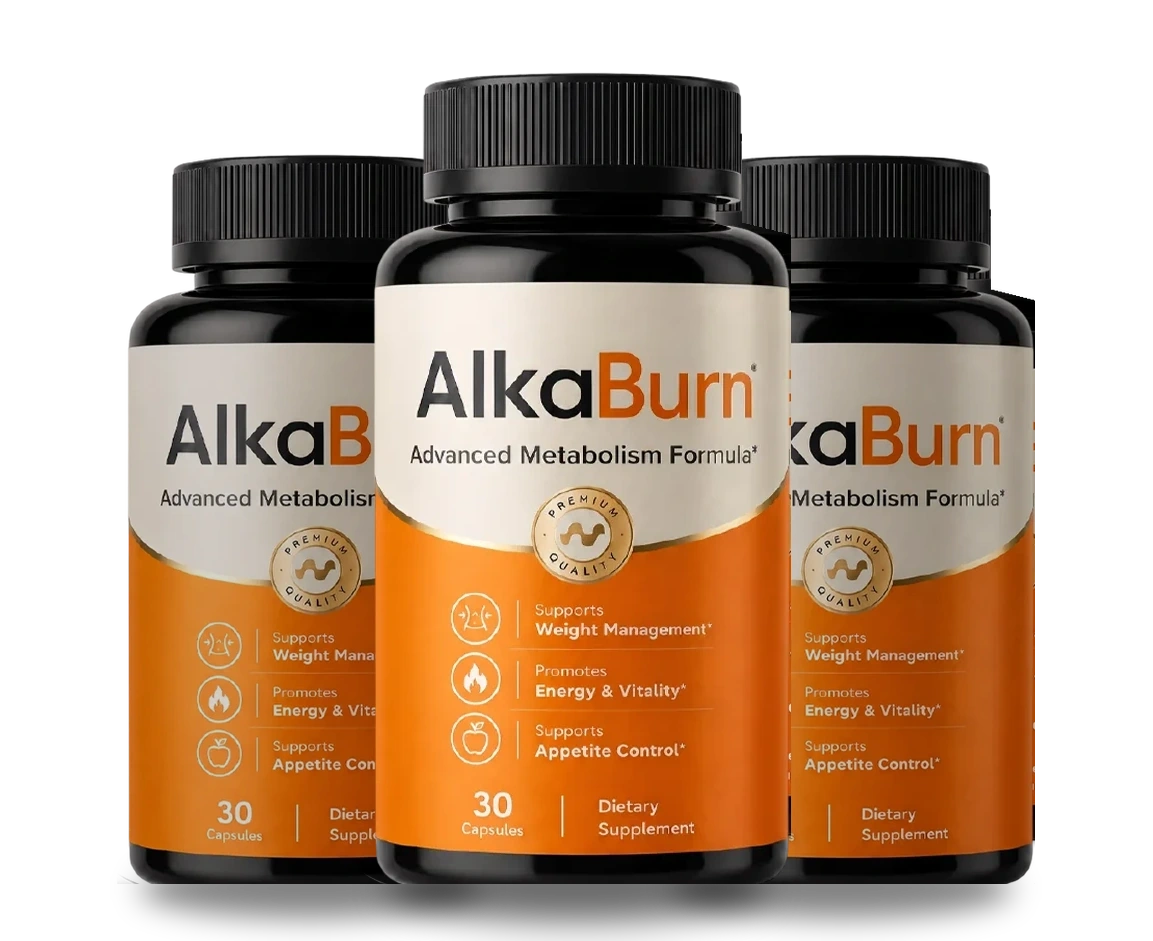
AlkaBurn pairs disclosed-dose caffeine with a garcinia HCA angle in one daily capsule. See the full panel and current pricing.
See AlkaBurn PricingHow to build your own appetite stack
Put the pieces together and a practical day looks like this. Anchor breakfast and lunch with protein and fiber so hunger stays quiet through the afternoon slump. Drink water before meals, not just with them. Take any caffeine early — before an early meal, never after mid-afternoon — so it does not cost you the sleep you need. If you are using a garcinia-containing product, follow the label's before-meal timing. Then protect your sleep as if it were part of the diet, because it is.
Notice what that stack does: the free levers carry the day, and the supplement adds a targeted assist at the two moments hunger is hardest to manage. That is the correct hierarchy. A supplement layered on top of good habits can be the small difference that makes a deficit sustainable; a supplement used to paper over missing habits is money spent on disappointment.
Two myths worth clearing up
Myth: a strong enough suppressant means you never feel hungry. No honest natural tool erases hunger — and you would not want it to, since hunger is useful information. The realistic goal is to take the sharp edge off so a sensible portion feels satisfying, not to feel nothing. Products that promise to abolish appetite are promising something that would be a red flag if it were true.
Myth: natural means you can ignore the dose and the total. Caffeine is natural and it still raises heart rate, still disrupts sleep taken late, and still adds up across coffee, tea and capsules. "Natural" describes where an ingredient comes from, not how much of it is safe for you. If you manage blood pressure or an anxiety condition, a stimulant-based suppressant is a "check with your clinician first" situation, not a free-for-all.
A sample day built around natural appetite tools
Theory is easy to nod along to and hard to act on, so here is what an ordinary day looks like when you actually use these levers. You wake and drink a large glass of water before anything else, because overnight dehydration reads as morning hunger. Breakfast is protein-forward — eggs, Greek yogurt, or a protein shake with some fruit for fiber — so you are genuinely full rather than topped up on fast carbs that leave you hungry by ten. If you take a caffeine-based product, this early meal is when it belongs, so the appetite-quieting window covers the mid-morning stretch and the caffeine clears long before bed.
Lunch repeats the pattern: protein, plenty of vegetables for fiber and volume, water before you start. The afternoon is where diets usually die, so that is where the tools earn their keep — the fullness from a solid lunch, the tail end of any caffeine, and a glass of water when a craving shows up. Dinner is normal food in a sensible portion, eaten without distraction so you notice when you are satisfied. Then you protect your sleep, because a good night is the cheapest appetite suppressant there is and it sets up an easier tomorrow. Nothing in that day is exotic, and that is the point.
When a natural suppressant is the wrong choice
Honesty cuts both ways, so here is when to skip the supplement side entirely. If you are pregnant or nursing, under 18, or you manage a heart-rhythm disorder, an anxiety condition, thyroid disease or high blood pressure, a stimulant-based suppressant is not a casual purchase — talk to a clinician first, and lean on the food and sleep levers instead, which carry no such caution. If your hunger is driven by stress, boredom or poor sleep rather than genuine physical need, a suppressant treats the symptom while the cause keeps generating it; you will get more from fixing the sleep or the stress than from any capsule.
And if you are already at a high daily caffeine intake, adding a stimulant suppressant on top is more likely to buy you jitters and broken sleep than a quieter appetite. In that case the smarter move is a non-stimulant, fiber-first approach. Matching the tool to the person is the whole game — the best natural appetite suppressant for someone else may be exactly the wrong one for you.
Where AlkaBurn fits, honestly
AlkaBurn is worth naming here for a specific reason: it is built around the two appetite tools this article takes seriously — caffeine for a short-term hunger and energy assist, and a garcinia HCA angle for the before-meal satiety hypothesis — and it prints its doses rather than hiding them in a blend. That transparency is what lets you slot it into the stack above with your eyes open. It is a once-daily capsule, so there is no complicated schedule, and it is explicitly a support tool rather than a treatment for anything.
Set the expectation correctly and it does its job: it is the small assist on top of protein, fiber, water and sleep — not a replacement for them. If you would rather see how a stimulant-forward option compares with other non-prescription routes, our guide to an appetite suppressant that works without a script puts the choices side by side.
This article is about food habits and ingredient evidence for managing hunger. It is not medical advice, and these statements have not been evaluated by the Food and Drug Administration. This product is not intended to diagnose, treat, cure or prevent any disease. Speak to a qualified healthcare professional before starting any supplement, especially if you take medication or manage a health condition.
Ready to add a labeled appetite assist?
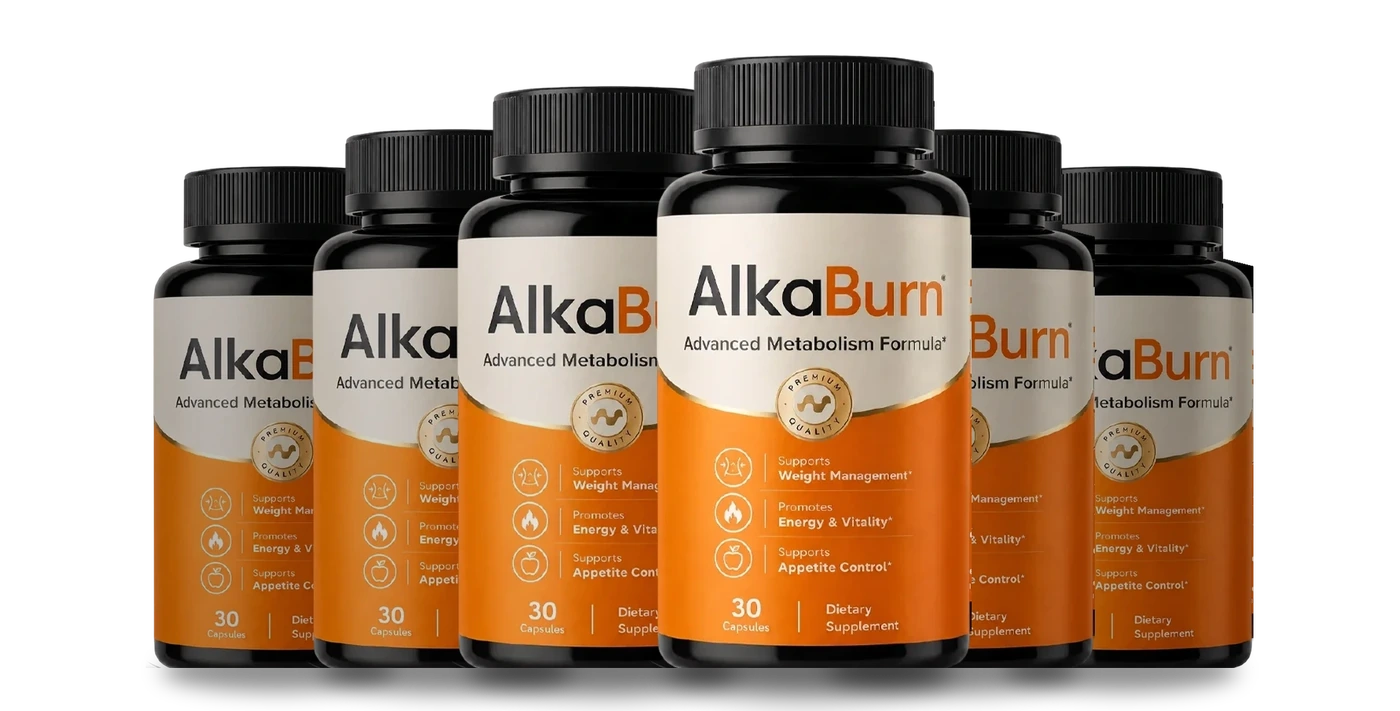
If disclosed-dose caffeine plus a garcinia HCA angle fits your stack, check AlkaBurn's bundles and 60-day guarantee.
Order AlkaBurn NowFrequently asked questions
What is the best natural appetite suppressant?
There is no single winner — the strongest levers are protein, soluble fiber, water and adequate sleep, because they change how full you feel and how your hunger hormones behave. Supplement ingredients like caffeine can add a short-term assist, but food and sleep habits do most of the work.
Does caffeine suppress appetite?
Caffeine can blunt hunger in the short term for many people, which is one reason it appears in supplements like AlkaBurn. The effect is modest and temporary, it varies with tolerance, and it stacks on top of the coffee and tea you already drink, so count your total intake.
How does garcinia cambogia curb hunger?
Garcinia cambogia supplies hydroxycitric acid (HCA), taken 30 to 60 minutes before meals on the hypothesis that it supports satiety. Human evidence is modest and mixed, so treat it as a small potential aid rather than a reliable hunger switch.
What foods naturally reduce appetite?
High-protein foods like eggs, Greek yogurt, fish and legumes, plus high-fiber foods such as vegetables, oats, beans and fruit, are the most reliable appetite reducers. Water-rich foods and simply drinking water before meals also help you feel full on fewer calories.