Diet Supplements for Weight Loss: What Works
Which diet supplements actually help with weight loss?
The diet supplements for weight loss with the strongest evidence are caffeine and green tea catechins, which modestly raise energy expenditure and fat oxidation. Garcinia and raspberry ketones are weaker, and probiotics show mixed but promising results. No pill replaces a calorie deficit; the best options simply make that deficit a little easier to hold.
- Strongest evidence: caffeine and green tea catechins (EGCG), especially together.
- Weaker evidence: garcinia cambogia and raspberry ketones lean on lab, not human, data.
- Always demand disclosed milligram doses on the label before you spend a cent.
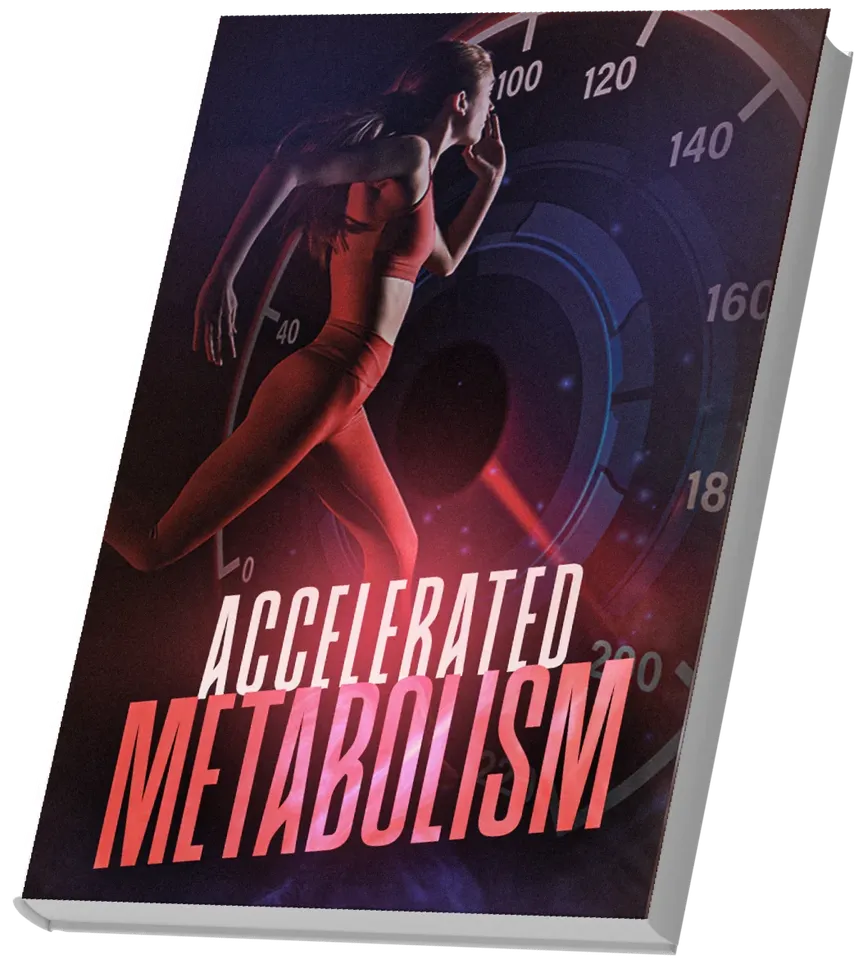
If you have ever stood in a supplement aisle reading the same three promises on twenty different bottles, this guide is for you. Diet supplements for weight loss are a multi-billion-dollar category, and the uncomfortable truth is that most of the products in it do very little. A small handful of ingredients have real, repeatable human evidence behind them, a larger group has weak or mixed evidence, and a surprising number rest on nothing more than a single mouse study and a good marketing budget. Learning to tell those groups apart is the single most valuable skill a shopper in this category can have.
The goal here is not to sell you a miracle. It is to hand you the same lens our team uses when we read a Supplement Facts panel: which categories have earned their place, which are borderline, which are hype, and how to read a label so the numbers, not the front-of-bottle claims, make your decision. Along the way you will see where a transparently dosed product like AlkaBurn fits into the picture, and where it honestly does not.
What "diet supplements for weight loss" actually means
The phrase covers a lot of ground. It includes thermogenics (ingredients that nudge up the amount of energy you burn as heat), appetite modulators, fat-oxidation supports, carbohydrate and fat "blockers," and gut-focused products such as probiotics and fibre. What unites the credible ones is that they act on a mechanism you can name: they raise resting energy expenditure a little, they take the edge off hunger, or they shift the balance of what your body uses for fuel. What unites the weak ones is vagueness, a mechanism that only works in a test tube, or a claimed effect that quietly vanishes when the study is run in actual humans.
It also helps to be blunt about scale. Even the best-supported ingredients produce a modest effect, measured over weeks, on top of diet and movement. A supplement that genuinely adds a small daily bump to energy expenditure is doing its job. A supplement that promises to melt fat while you sleep and eat whatever you like is describing a mechanism that does not exist. Set your expectations at "helpful nudge," and you will never be disappointed by the honest products or fooled by the dishonest ones.
The evidence tiers: what works, what is weak, what is hype
Here is how the most common ingredients sort out once you weigh the human evidence rather than the advertising. Think of it as three tiers.
Tier one: the ingredients with the strongest case
Caffeine is the most reliably studied fat-loss aid there is. It produces a small, measurable rise in metabolic rate, increases fat oxidation, and can blunt appetite for a short window. It is not dramatic, and tolerance blunts the effect over time, but the direction of the evidence is consistent. Green tea catechins, and EGCG in particular, are the other tier-one player. On their own the results are modest and sometimes statistically nonsignificant, but paired with caffeine the two appear to work better together than either does alone, which is exactly why serious formulas combine them. If you want the deeper mechanism, our companion piece on how thermogenic fat burners raise energy expenditure walks through the pathway step by step.
Tier two: plausible but weaker
Probiotics sit here. The gut-weight relationship is one of the most interesting areas in nutrition science, and specific strains have shown promising links to modest changes in body weight and fat, but the results are mixed and strain-dependent, and the field is younger than the marketing implies. Green coffee bean extract and its chlorogenic acids also land in this tier: interesting, some supportive trials, but a body of evidence muddied by small, industry-funded studies.
Tier three: mostly hype
Garcinia cambogia and raspberry ketones are the classic examples. Both have a tidy-sounding mechanism and both light up in cell or animal studies, but in humans the weight-loss signal is weak to absent. That does not make them dangerous at normal doses; it makes them a poor reason to choose one product over another. When a bottle leads with these ingredients and buries the caffeine and catechins, treat that as a marketing decision, not a formulation one.

How to read a weight loss supplement label
This is the part that pays for itself. The front of a bottle is advertising; the Supplement Facts panel is the contract. Three habits will protect you from almost every bad purchase in this category.
First, insist on disclosed milligram doses. Every active worth paying for should appear on its own line with an amount beside it. When ingredients are lumped into a "proprietary blend" with only a total weight, the manufacturer is telling you that the individual doses will not stand up to comparison with the research. A label that discloses, for example, a specific caffeine figure on its own line has nothing to hide. That transparency is exactly the standard we hold every product to, and it is worth reading AlkaBurn's fully disclosed ingredient panel as a working example of amounts printed line by line.
Second, read the standardisation figures. A plant extract is only as good as the fraction of active compound it is standardised to. "Green tea extract" tells you little; "green tea extract standardised to 45% EGCG" tells you a great deal. The same goes for chlorogenic acids in green coffee bean and hydroxycitric acid in garcinia. No percentage usually means no meaningful dose.
Third, compare the numbers to the studies. Once the doses are disclosed, a two-minute search tells you whether the amount matches what worked in trials or whether it is a "fairy dust" sprinkle included only so the ingredient can appear on the label. This one habit separates informed buyers from impulse buyers.
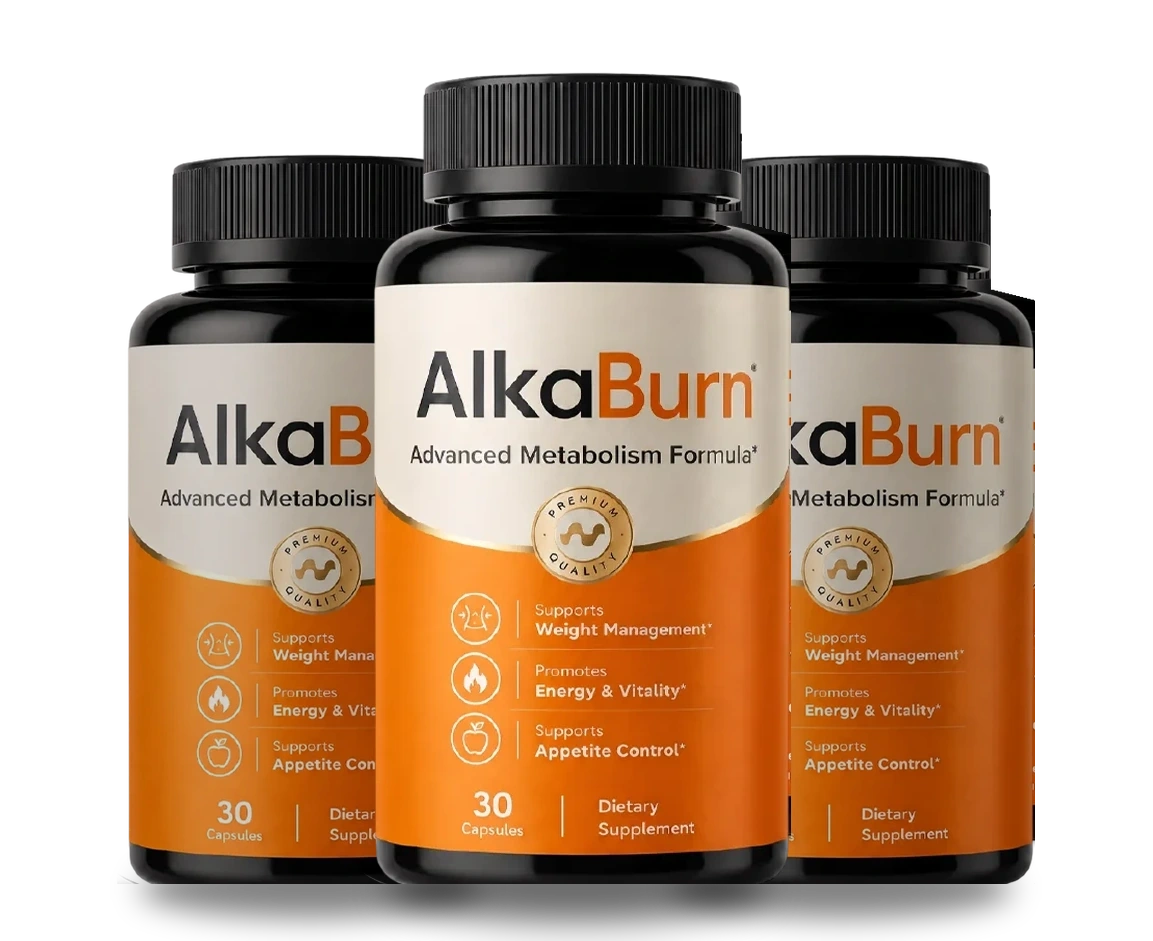
A label that shows its numbers
AlkaBurn prints an amount for every active, caffeine and green tea catechins included, so you can check the doses against the evidence yourself.
Order NowThree myths that keep people buying the wrong pills
Myth one: a fat burner works without dieting. It does not, and no honest label claims it does. The tier-one ingredients add a small increase in energy expenditure and a mild appetite effect. Those numbers only translate into fat loss when they sit on top of a genuine calorie deficit and regular movement. A supplement is a tailwind, never the engine.
Myth two: "natural" means both safe and effective. Natural ingredients can be potent, useless, or occasionally risky, and the word tells you nothing about which. Caffeine is natural and physiologically active enough to disrupt your sleep and raise your heart rate; raspberry ketones are natural and, in humans, do almost nothing. Judge an ingredient by its evidence, not its origin story.
Myth three: more ingredients means a better formula. A long "kitchen sink" label often hides the opposite problem, twenty actives each dosed too low to matter, so the bottle can list them all. A short formula built around two or three well-dosed, well-studied ingredients will usually beat a crowded one. When in doubt, count the ingredients that actually carry evidence, then check whether they are dosed like the studies.
Where AlkaBurn fits, and where it does not
AlkaBurn is a once-daily metabolism capsule built around the tier-one combination this guide keeps coming back to: caffeine anhydrous at a disclosed 138mg, paired with a green tea extract standardised for EGCG, alongside green coffee bean extract, garcinia and raspberry ketones. Read through the lens above, its strength is the pairing at its core and the fact that every amount is printed rather than hidden in a blend. Its honest weakness is the same as every product in this category: the garcinia and raspberry ketone lines are along for the ride more than they are doing heavy lifting, and the whole formula only earns its keep alongside a calorie deficit.
That is a deliberately unglamorous pitch, and it is the right one. If you want to understand the workhorse of the formula, the caffeine-and-catechin engine, before you buy, our explainer on how the best weight loss pills of 2026 compare on disclosed dosing puts AlkaBurn side by side with the field on the only axis that matters: what is on the panel, in what amount.
A short, honest checklist before you buy
Run any diet supplement through these questions and you will avoid almost every regret in the category:
- Does it disclose a milligram amount for every active, on its own line?
- Are the extracts standardised, with a percentage you can check?
- Does the formula lead with tier-one ingredients rather than hiding them behind hype ingredients?
- Do the doses roughly match what worked in human studies?
- Is there a real guarantee, so a product that does nothing for you costs you nothing to return?
- Have you accounted for the caffeine on top of your coffee, tea and colas?
If a product passes all six, it belongs on your shortlist. If it fails the first two, put it back on the shelf, no matter how good the front of the bottle looks.
This article is educational and about ingredient evidence and label reading. It is not medical advice, and the statements on this product's label have not been evaluated by the Food and Drug Administration. This product is not intended to diagnose, treat, cure or prevent any disease.
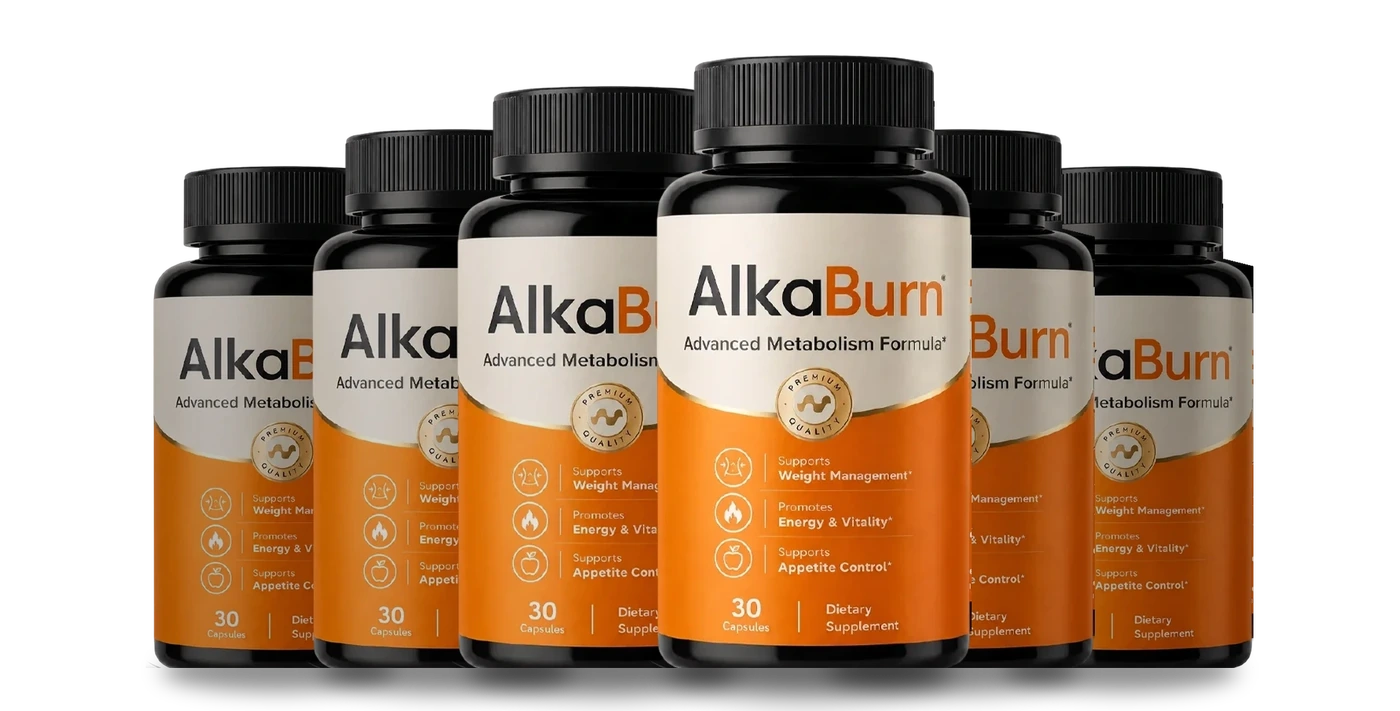
Judge it by the panel
See AlkaBurn's fully disclosed Supplement Facts, the 138mg caffeine line, and today's official-store pricing with a 60-day guarantee.
Order NowFrequently asked questions
Which diet supplements actually help with weight loss?
Caffeine and green tea catechins have the strongest human evidence, because they modestly raise energy expenditure and fat oxidation. Garcinia cambogia and raspberry ketones are much weaker, resting mostly on cell and animal studies. Probiotics show mixed but promising links to body weight. None of them replace a calorie deficit; the useful ones only make it slightly easier to sustain.
How do you read a weight loss supplement label?
Start with the Supplement Facts panel, not the marketing. Look for each active listed on its own line with a milligram amount, rather than hidden inside a proprietary blend. Check whether extracts state a standardisation figure, such as a green tea extract given as a percentage of EGCG. Compare those numbers with the doses used in studies, and treat a label that will not disclose amounts as a reason to walk away.
Are weight loss supplements safe?
Most well-formulated products are reasonably safe for healthy adults at label doses, but safe is not the same as risk-free. Stimulant-based formulas add caffeine on top of coffee and tea, which can affect sleep, blood pressure and heart rhythm. Anyone pregnant, nursing, under 18, or managing a health condition or medication should speak to a clinician before starting one.
Do fat burner supplements work without dieting?
No. A fat burner cannot out-run a calorie surplus. Ingredients like caffeine and green tea catechins produce a small increase in energy expenditure and can blunt appetite, but the effect is modest and only shows up alongside a real calorie deficit and regular activity. Used that way a supplement is a helper, not the mechanism of weight loss.