AlkaBurn Ingredients: The 5-Part Formula Explained
What are the ingredients in AlkaBurn?
The AlkaBurn ingredients are five actives in one daily capsule: 138 mg caffeine anhydrous, green tea extract standardised for EGCG, garcinia cambogia for HCA, raspberry ketones, and a probiotic. The rest are ordinary capsule excipients. EGCG has the best evidence; raspberry ketones the weakest.
- Actives: caffeine anhydrous, green tea EGCG, garcinia HCA, raspberry ketones, probiotic.
- Excipients: rice flour, hypromellose capsule, magnesium stearate, silicon dioxide.
- Every active is printed at a dose — not hidden in a proprietary blend.
If you want to judge a supplement fairly, you start with the AlkaBurn ingredients — not the marketing, the panel. AlkaBurn makes that easier than most, because it prints a dose for every active instead of hiding them inside a “proprietary blend.” That single choice is what lets us do the honest thing on this page: name each of the five actives, explain what it is studied for, give the dose where the label discloses it, and flag the caveats plainly, including where the evidence is thin.
Here is the roster in one line: caffeine anhydrous (138 mg), green tea extract for EGCG, garcinia cambogia for hydroxycitric acid (HCA), raspberry ketones, and a probiotic strain — carried in a capsule made of rice flour, hypromellose, magnesium stearate and silicon dioxide. Now let's take them one at a time.
The five active AlkaBurn ingredients, one by one
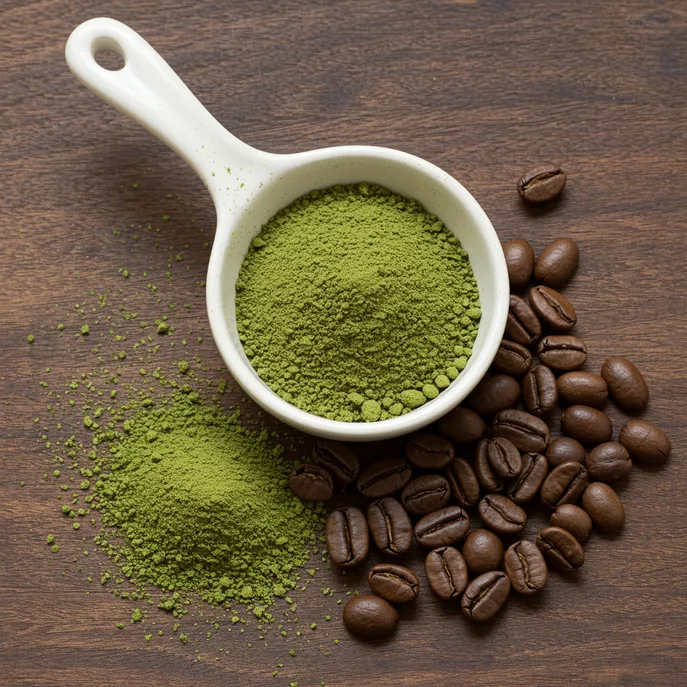
1. Caffeine anhydrous — 138 mg. This is the engine of the formula and the only active whose exact figure we quote, because it is printed on its own line. “Anhydrous” just means dried, isolated caffeine powder — the same molecule as in coffee, weighed precisely into the capsule. At 138 mg it is comparable to a strong cup of coffee, enough to produce a real but mild rise in metabolic rate, a small increase in fat oxidation, and the alertness and appetite-blunting most people associate with it. Because it is a genuine dose, timing matters: take it early so it does not disturb sleep, and count it as part of your daily caffeine, not on top of it. We go deeper in our guide to how much caffeine is in AlkaBurn.
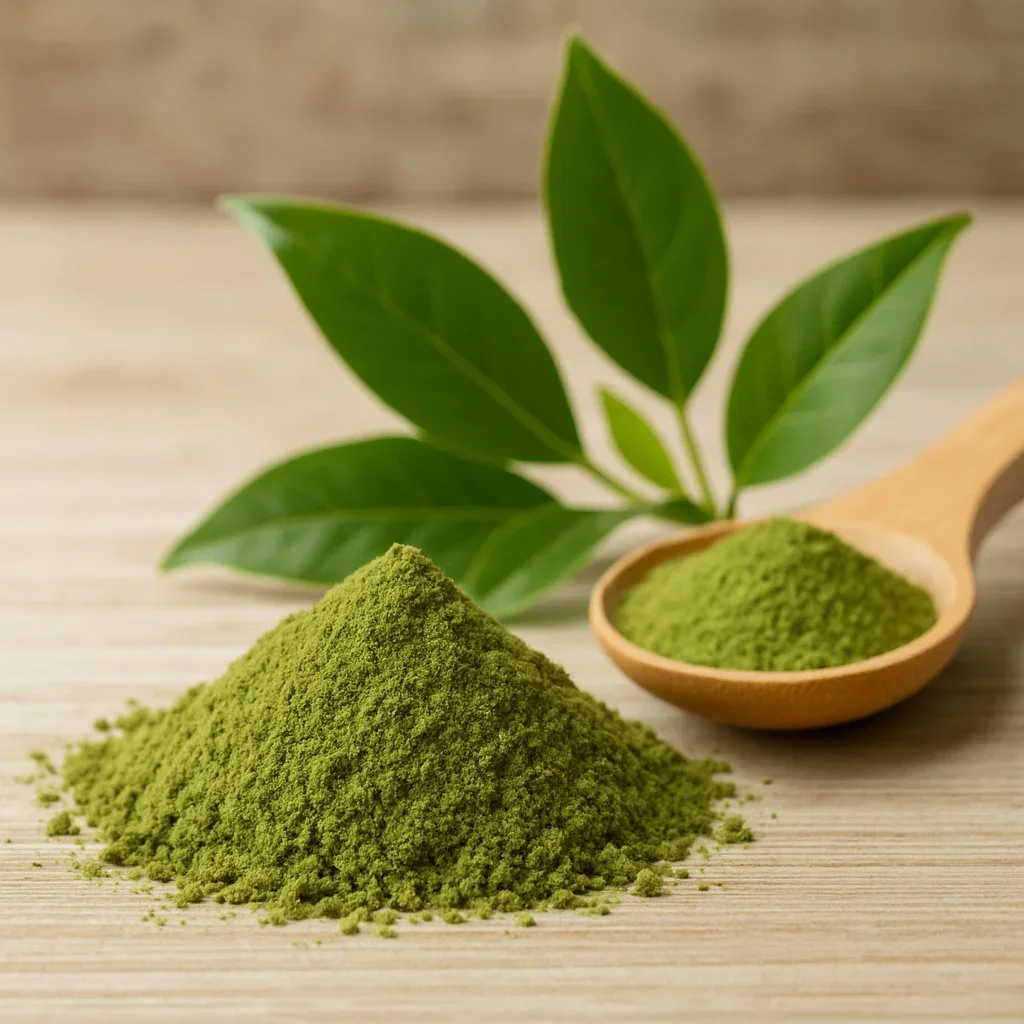
2. Green tea extract (EGCG). Green tea's active catechin, epigallocatechin gallate, is the most interesting ingredient in the bottle. On its own it nudges fat oxidation a little; paired with caffeine — exactly as it is here — the two appear to work better together than either does alone. That synergy is one of the more consistent findings in the fat-burner literature, which is why we consider EGCG the best-evidenced of the AlkaBurn ingredients. The extract is standardised for its catechin and EGCG content, and it carries a little extra caffeine of its own.
3. Garcinia cambogia (HCA). Garcinia is a tropical fruit standardised for hydroxycitric acid, marketed for appetite and fat storage. Honesty check: the human data are underwhelming. Meta-analyses put garcinia's short-term effect at under one kilogram over a few weeks, and even that is inconsistent across trials. It is not a scam ingredient, but it is a supporting player, not a reason to buy.
4. Raspberry ketones. This is the aroma compound from raspberries, popularised by television and impressive-looking cell and rodent studies at doses far beyond what any capsule delivers. In humans, convincing standalone weight-loss evidence is essentially absent. Treat raspberry ketones as the weakest of the five — a familiar name that helps the marketing more than it helps you.
5. Probiotic. The gut-flora strain rounds out the formula for digestive support. The science linking probiotics to weight outcomes is real but still emerging; the sensible expectation is general gut support rather than a direct fat-loss mechanism. It is a reasonable, low-risk inclusion.
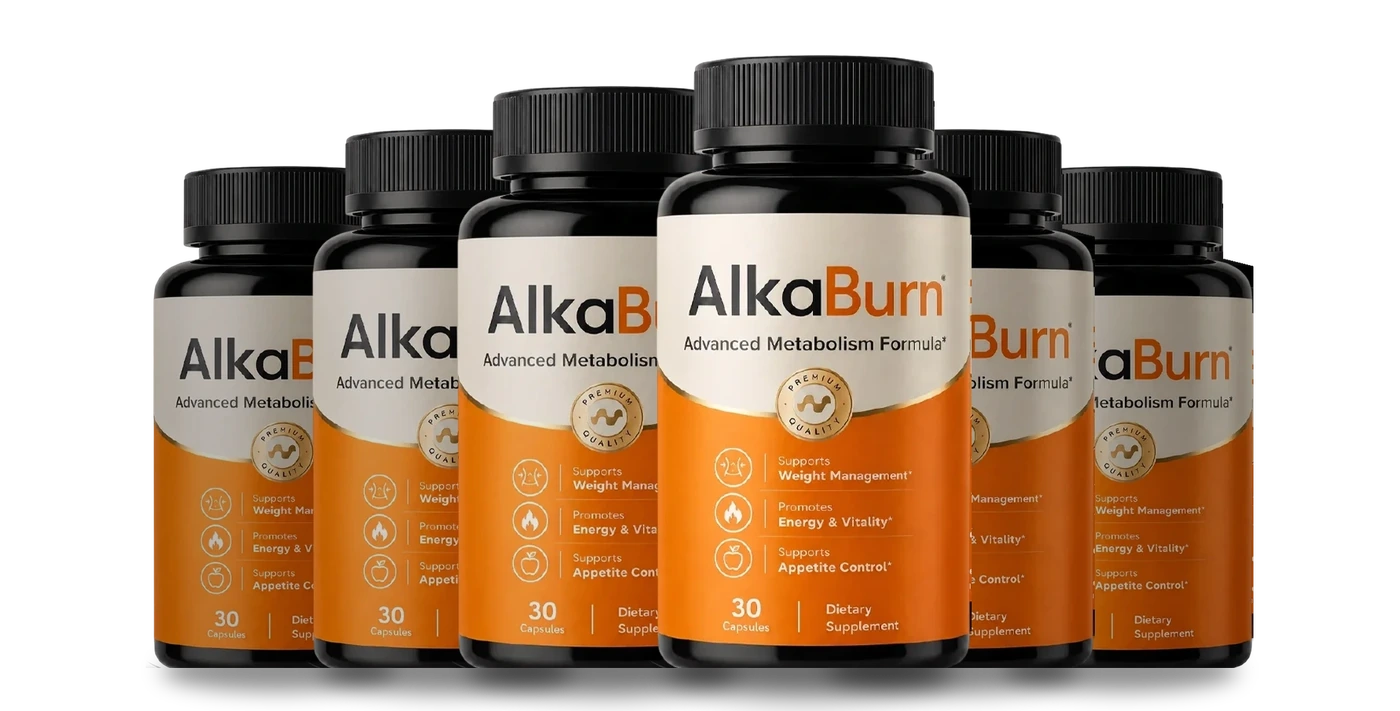
See the printed Supplement Facts panel
Every active is disclosed at a dose. View the full label, the current bundles and the 60-day money-back guarantee.
Order NowHow many milligrams does each AlkaBurn ingredient contain?
This is the objection buyers raise most: “fine, but give me the numbers.” The caffeine line is clear at 138 mg. For the other four actives, AlkaBurn prints an amount on the panel — that is the whole point of avoiding a proprietary blend — but we deliberately do not republish figures we have not verified against the physical label in front of us. Quoting a milligram number we are unsure of would be exactly the kind of thing this site exists to avoid. So the honest position is: read the printed panel for the garcinia, EGCG, raspberry ketone and probiotic amounts, and take comfort that they are disclosed at all, which most competitors will not do.
What the presence of printed doses tells you is more useful than any single figure: it means you can check whether an ingredient is dosed near what studies used, or merely “fairy-dusted” at a token amount. That transparency is the strongest thing the formula has going for it, and it is why we keep pointing you back to the panel rather than to the sales copy.
The inactive ingredients (excipients)
Beyond the five actives, AlkaBurn contains four ordinary excipients: rice flour as a filler, hypromellose as the vegetarian capsule shell, magnesium stearate as a flow agent that keeps the powder from clumping in manufacturing, and silicon dioxide as an anti-caking agent. None of these do anything metabolic; they are the standard, well-tolerated building blocks of most capsules on the market. Magnesium stearate in particular gets a lot of undeserved internet fear — the amounts used are tiny and it is considered safe by regulators. If you have a specific allergy, the excipient list is where to check, but for most people it is unremarkable.
How the AlkaBurn ingredients work together
A formula is more than a list, and the way these five actives are meant to interact is the more interesting story. The centre of gravity is the caffeine-and-EGCG pairing. Caffeine raises energy expenditure and mobilises fatty acids; green-tea catechins appear to slow the breakdown of the signalling molecules that keep that process running, which is the mechanistic reason the two are studied together and tend to outperform either one alone. Everything else in the capsule is arranged around that core.
Garcinia's HCA is pitched as an appetite and fat-storage angle, aiming at the “calories-in” side that the stimulants do not directly touch — a sensible idea on paper, even if the human results are modest. The probiotic addresses a different lever again, gut health and digestion, on the reasonable but still-developing theory that the microbiome plays a role in weight regulation. Raspberry ketones are the odd one out: their inclusion is more about consumer familiarity than a demonstrated contribution. Read charitably, the formula tries to touch several plausible pathways at once; read critically, two ingredients do the real work and three are supporting cast of varying usefulness.
The takeaway is not to expect five separate effects stacking into something dramatic. It is that a well-dosed caffeine-plus-EGCG core, supported by a couple of low-risk extras, gives a coherent, modest metabolic assist — provided, as always, that a calorie deficit is doing the heavy lifting. For the practical outcome of that interaction, our evidence-based review of whether AlkaBurn works connects these ingredients to realistic results.
What to check on the AlkaBurn label before you buy
Because AlkaBurn discloses its doses, you can put the label to work rather than taking the marketing on faith. Start with the caffeine line: at 138 mg, decide whether that fits alongside the coffee and tea you already drink, and whether stimulants suit you at all. Next, confirm the green tea extract is standardised for its EGCG content rather than listed as a vague “green tea” — standardisation is what tells you the catechin is present in a meaningful, consistent amount.
Then scan the supporting actives with realistic eyes: it is fine for garcinia, raspberry ketones and the probiotic to be there, but do not let them drive the decision, since the evidence sits with the caffeine and EGCG. Check the serving size (one capsule daily) and the count per bottle (30) so you know a bottle is a one-month supply and can budget bundles accordingly. Finally, read the caution statement and the excipient list against your own situation — any allergies, any medications, any conditions like high blood pressure or anxiety that a stimulant could aggravate. A disclosed label only helps if you actually read it, and AlkaBurn gives you more to read than most. Before starting any stimulant supplement, it is also worth reviewing the AlkaBurn side effects and safety notes.
Which AlkaBurn ingredient has the strongest evidence?
If you rank the AlkaBurn ingredients by weight of human evidence, the order is fairly clear. Caffeine and green tea EGCG sit at the top — and stronger still when combined, which is how the formula uses them. Below that comes the probiotic, useful for gut support with weight effects still being studied. Then garcinia HCA, with small and inconsistent results. And at the bottom, raspberry ketones, which look good on a label and thin in the trials. That distribution is worth knowing before you buy: the two ingredients doing the real work are the two with the best science, which is a more honest formula than one leaning on the trendy names. For how this plays out in practice, see our evidence-based review of whether AlkaBurn works.
Are AlkaBurn's ingredients natural and stimulant-based?
Partly, and the distinction matters. Caffeine anhydrous is the central active, so AlkaBurn is a stimulant-based supplement — it is not a caffeine-free or stimulant-free product, and no amount of “natural” framing changes that. The other four actives are plant-derived extracts and a probiotic, so “natural” is a fair description of the botanical half of the formula. The practical takeaway is about suitability: because of the 138 mg caffeine, this is not the right product if you are caffeine-sensitive, prone to anxiety or reflux, or trying to cut stimulants. If any of that applies, read our rundown of AlkaBurn side effects and who should avoid it before deciding.
This article describes ingredient composition and published research for general education. It is not medical advice, and the statements on this product's label have not been evaluated by the Food and Drug Administration. This product is not intended to diagnose, treat, cure or prevent any disease.
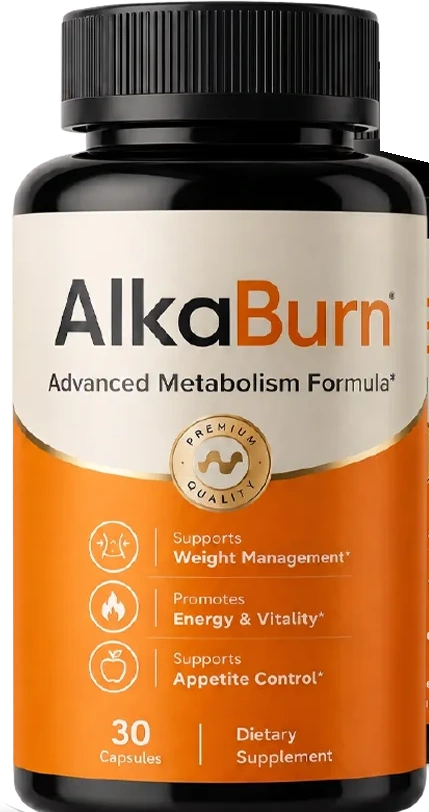
Check the full formula for yourself
See every disclosed ingredient, current pricing and the 60-day guarantee on the official AlkaBurn store.
Order NowFrequently asked questions
What are the active ingredients in AlkaBurn?
AlkaBurn has five active ingredients: caffeine anhydrous, green tea extract standardised for EGCG, garcinia cambogia standardised for HCA, raspberry ketones, and a probiotic strain. The remaining components are inactive capsule excipients — rice flour, hypromellose (the vegetarian capsule shell), magnesium stearate and silicon dioxide.
How many milligrams of each ingredient does AlkaBurn contain?
The caffeine anhydrous line is 138 mg per capsule. AlkaBurn prints an amount for each of the other four actives on its Supplement Facts panel rather than hiding them in a proprietary blend, so the exact figures are on the label itself. We report the caffeine figure and direct readers to the printed panel for the rest rather than publishing numbers we cannot verify.
Which AlkaBurn ingredient has the strongest evidence?
Green tea EGCG has the strongest evidence in the formula, especially combined with caffeine, where the pairing modestly increases thermogenesis and fat oxidation. Caffeine itself is also well supported. Garcinia HCA is weaker and inconsistent, and raspberry ketones have the least human weight-loss evidence of the five.
Are AlkaBurn's ingredients natural and stimulant-based?
AlkaBurn is partly stimulant-based: caffeine anhydrous is its central active, so it is not a stimulant-free product. The other actives are plant-derived extracts and a probiotic. Because of the 138 mg caffeine, it is not suitable for people who are caffeine-sensitive or avoiding stimulants.