Green Tea EGCG for Weight Loss: The Science
Does green tea for weight loss actually work?
Green tea for weight loss works mainly through EGCG, a catechin that supports fat oxidation. On its own the effect is small and often statistically nonsignificant, but combined with caffeine it performs better, which is how AlkaBurn pairs them. Treat it as a modest aid alongside diet and activity, never a standalone fix.
- EGCG is the key fat-loss catechin in green tea extract.
- EGCG alone is modest; EGCG plus caffeine works better together.
- Look for a green tea extract standardised to a stated EGCG percentage.
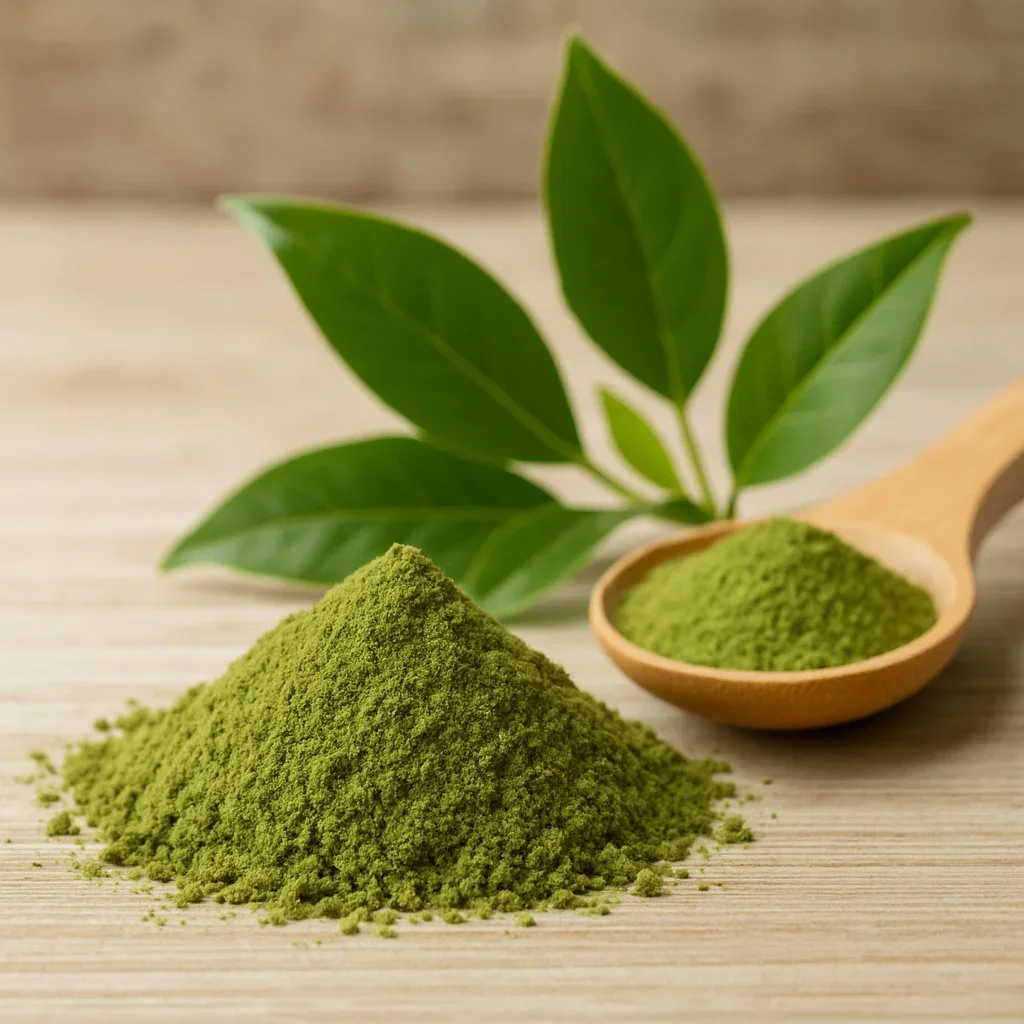
Few ingredients carry as much folklore as this one. Green tea for weight loss is on the front of countless bottles, in wellness headlines, and in the story people tell themselves as they swap a soda for a cup of matcha. Some of that reputation is earned and some of it is wishful, and the difference comes down to a single compound: epigallocatechin gallate, or EGCG. This article separates the real, if modest, science of green tea catechins from the marketing, and explains why the best formulas, AlkaBurn included, never ask green tea to do the job alone.
The honest headline is this: green tea catechins have a plausible mechanism and a real body of research, but the effect is small, and studies of EGCG in isolation frequently fail to reach statistical significance. What changes the picture is pairing. When EGCG is combined with caffeine, the two appear to reinforce each other, and that combination is the reason green tea keeps a place in serious fat-loss formulas rather than being quietly dropped.
Does green tea for weight loss actually work?
Let us answer the question the way the evidence does, with a qualified yes. Meta-analyses of green tea catechins generally find a small reduction in body weight and fat over weeks of use, particularly when caffeine is part of the mix. The direction is consistent and the mechanism is understood, which is more than can be said for most ingredients in this category. But the size of the effect is where honesty matters: we are talking about a gentle nudge, not a transformation, and individual trials are noisy enough that some show no significant benefit at all.
That variability is not a reason to dismiss green tea; it is a reason to set expectations correctly and to insist on a well-formulated product. A tiny sprinkle of green tea extract in an underdosed multi-ingredient pill will do nothing you can feel or measure. A properly standardised extract, dosed in the range studies actually used and paired with caffeine, is where the modest benefit lives.
What EGCG is and how it supports fat burning
Green tea contains several catechins, but EGCG is the most abundant and by far the most studied. Its proposed fat-loss mechanism is elegant. Your body uses norepinephrine as a signal to mobilise stored fat, and an enzyme called COMT normally breaks that signal down. EGCG is thought to inhibit COMT, which lets norepinephrine linger a little longer, extending the window in which fat is being mobilised and burned. It is a small lever on an existing system rather than a new pathway, which fits the modest size of the real-world effect.
This is also why green tea extract is judged on its catechin content, not its total weight. An extract standardised to a high percentage of EGCG delivers a meaningful catechin dose in a small capsule; an unstandardised "green tea powder" tells you almost nothing about how much EGCG you are actually getting. If you want to see what a proper specification looks like, our breakdown of AlkaBurn's green tea extract standardised to 45% EGCG shows the kind of figure you should be looking for on any label.
Why green tea and caffeine are stronger together
Here is the crucial point that a green-tea-only marketing angle always leaves out. EGCG and caffeine act on overlapping steps of the same fat-mobilisation pathway. Caffeine increases the release of the fat-mobilising signals and raises energy expenditure; EGCG helps those signals persist. Because they push on different parts of one system, trials that combine them tend to show a clearer, more reliable effect than trials of either compound alone. In several studies, EGCG on its own barely moved the needle, while the EGCG-plus-caffeine combination produced a measurable increase in fat oxidation.
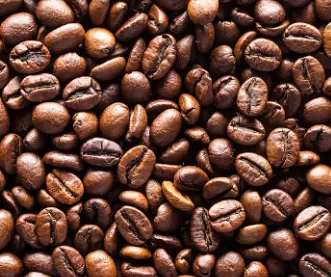
This synergy is not a marketing slogan; it is the reason thoughtful formulas are built around the pair rather than a single hero ingredient. AlkaBurn follows exactly this logic, combining a green tea extract standardised for EGCG with 138mg of caffeine anhydrous in one capsule. If you want the other half of the story, our companion article on how caffeine supports fat metabolism and energy expenditure explains why the caffeine dose is chosen the way it is, and how the two ingredients hand off to each other.
The pairing, in one capsule
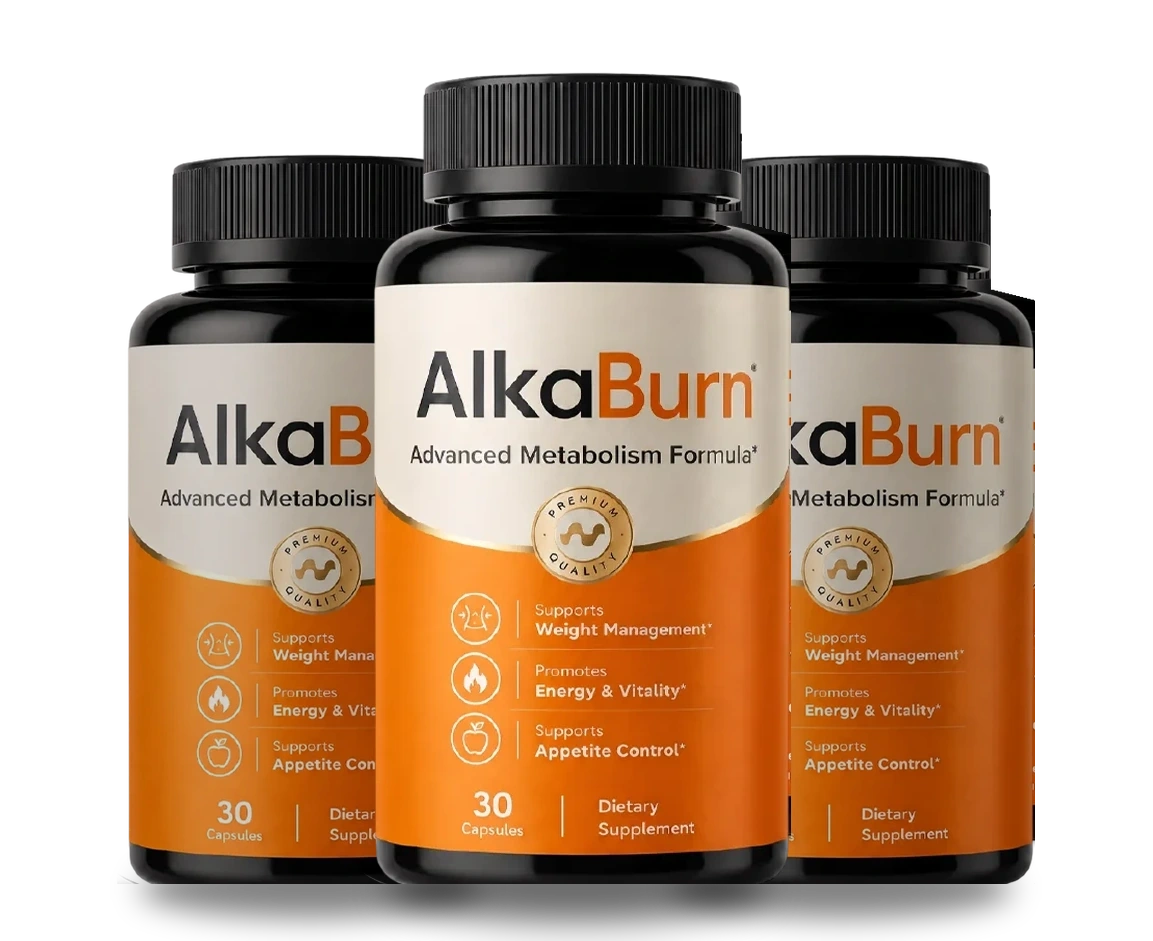
AlkaBurn combines a green tea extract standardised for EGCG with 138mg of disclosed caffeine, the pairing the research keeps pointing to. See the panel and today's pricing.
Order NowBeing honest about the effect size
The most common objection to green tea for weight loss is also the most valid: "isn't the effect tiny?" Yes, it is small, and anyone who tells you otherwise is selling something. Across the research, the average weight difference attributable to green tea catechins is measured in modest terms over weeks, and it depends heavily on dose, on whether caffeine is included, and on the individual. Some people are simply better responders than others.
But small is not the same as pointless. Weight management is a game of small, repeatable advantages stacked on top of the one thing that actually drives it, an energy deficit. A modest lift in fat oxidation, a slightly higher daily energy burn, and the discipline that comes from a routine can add up over months. The failure is not in the size of the effect; it is in expecting the effect to work without the deficit underneath it. Green tea is a tailwind, and a tailwind only helps if you are already moving.
It also helps to compare the two ways people get their catechins. Drinking green tea gives you EGCG plus the ritual of a warm, calorie-free drink that can replace something sweeter, which is a genuine, if indirect, benefit. A standardised extract skips the ritual but delivers a far higher, more consistent catechin dose in a single capsule, which is why the fat-loss research is largely built on extracts rather than brewed cups. Neither is a shortcut; they are two different ways to add the same modest tailwind, and the extract simply makes the dose predictable.
The people who tend to be disappointed are those who treated the ingredient as the plan rather than a supporting player. When green tea catechins are the finishing touch on a diet you can actually sustain and a level of activity you can actually keep up, the modest edge does its quiet work. When they are asked to carry a poor diet on their own, they fail, and the ingredient takes the blame for a job it was never capable of doing.
How much green tea EGCG is effective
Trials that show a benefit have generally used a few hundred milligrams of catechins per day, often in the region of 250 to 500mg of EGCG, and usually alongside caffeine. That is the practical range to keep in mind when you read a label. The number you cannot skip is the standardisation percentage: an extract described as "standardised to 45% EGCG," for example, tells you how much of the actual active you are getting per milligram of extract, so you can estimate whether the dose lands in the studied range or falls short of it.
Watch for the two label tricks. The first is listing "green tea extract" with no EGCG percentage at all, which hides how little active is inside. The second is quoting a large extract weight while the EGCG fraction is low, so the impressive-looking number delivers a disappointing catechin dose. A transparent product states both, so you never have to guess.
Green tea myths worth retiring
Myth: green tea detoxes fat. It does not. There is no "detox" mechanism at work; EGCG modestly supports the ordinary process of fat oxidation your body already runs. The word detox is marketing, not physiology.
Myth: more green tea is always better. Very high doses of concentrated green tea extract have been linked in rare cases to liver stress, which is a reminder that standardised extracts are potent and that more is not automatically safer or more effective. Stick to label doses.
Myth: green tea alone can replace a fat burner's other ingredients. On its own EGCG is the weakest version of itself. Its value shows up in combination, which is why comparing it to a genuinely weak ingredient is instructive; the much weaker human evidence behind garcinia cambogia is a useful contrast for understanding where green tea sits on the spectrum from hype to help.
This article is educational, about the science of green tea catechins and how to read them on a label. It is not medical advice, and the statements on this product's label have not been evaluated by the Food and Drug Administration. This product is not intended to diagnose, treat, cure or prevent any disease.
EGCG and caffeine, dosed and disclosed
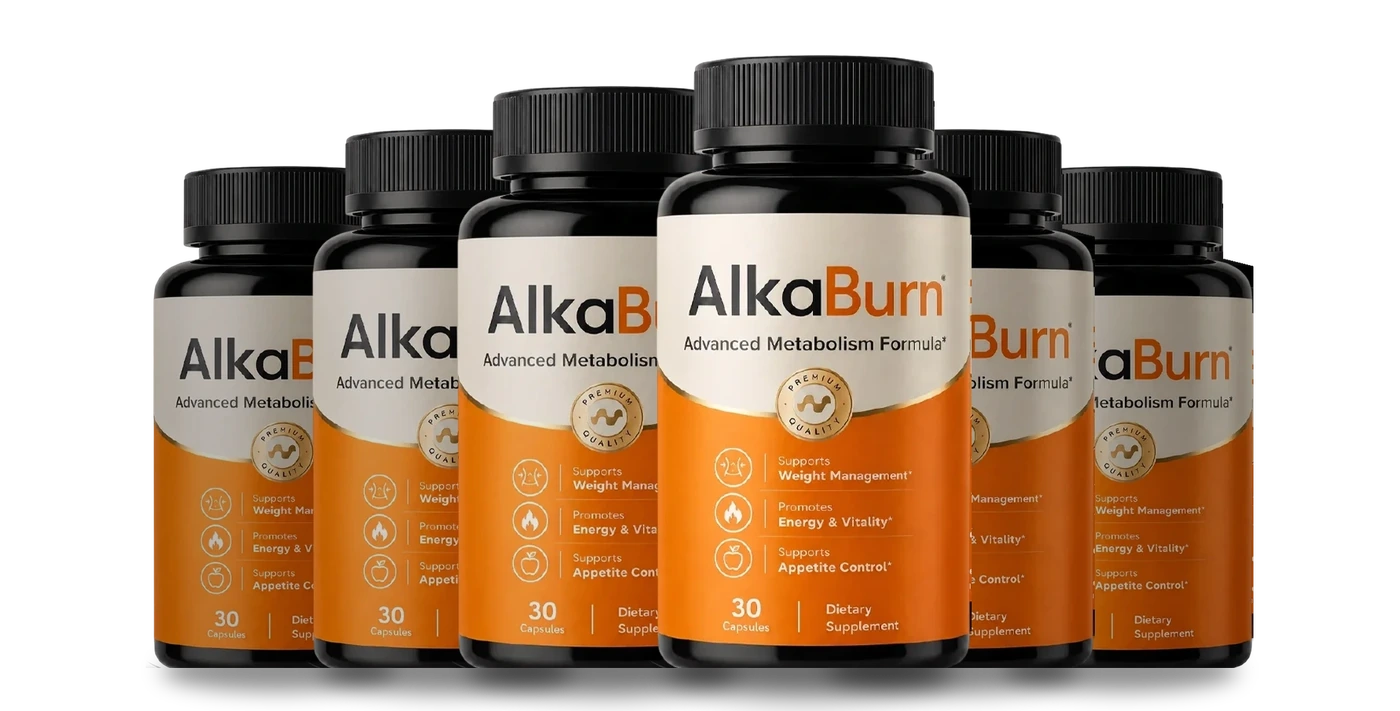
AlkaBurn puts the studied pairing in a single daily capsule with a 60-day guarantee. See the standardised green tea line and today's official-store pricing.
Order NowFrequently asked questions
Does green tea extract help you lose weight?
It can help a little. Green tea extract supplies catechins, chiefly EGCG, that support fat oxidation and a small rise in energy expenditure. In trials the effect is modest, and studies of EGCG alone are often statistically nonsignificant. It is best viewed as a mild aid that works alongside a calorie deficit and activity, not a weight-loss treatment in its own right.
What is EGCG and how does it burn fat?
EGCG, or epigallocatechin gallate, is the most abundant and most studied catechin in green tea. It is thought to help the body burn fat by slowing the breakdown of norepinephrine, a signal that promotes fat mobilisation, so that signal lasts a little longer. The result is a small increase in fat oxidation, especially when EGCG is taken together with caffeine.
Why is green tea combined with caffeine in fat burners?
Because they work better together than apart. Caffeine and EGCG act on overlapping steps of the same fat-mobilisation pathway, and studies that combine them tend to show a clearer effect than studies of either alone. That synergy is why AlkaBurn pairs 138mg of caffeine with a green tea extract standardised for EGCG rather than relying on one ingredient.
How much green tea EGCG is effective?
Trials showing a benefit have typically used a few hundred milligrams of catechins a day, often in the region of 250 to 500mg of EGCG, usually alongside caffeine. What matters most on a label is that the green tea extract states a standardisation percentage for EGCG so you can estimate the actual catechin dose rather than guessing from the extract weight alone.