Garcinia Cambogia Weight Loss: Does HCA Really Work?
Does garcinia cambogia work for weight loss?
Garcinia cambogia's active compound, HCA, shows only a small and often statistically insignificant effect in human trials — averaging under one kilogram over eight to twelve weeks. It may modestly curb appetite for some people, but it is best treated as a minor supporting ingredient inside a complete plan, not a standalone fix.
- Typical regimen is roughly 500 mg of extract three times daily (about 900–1,500 mg of HCA), taken 30–60 minutes before meals for 8–12 weeks.
- Pooled trials show a mean extra loss of about 0.88 kg, frequently within the margin of no real effect.
- Usually well tolerated, with mild digestive upset most common; rare liver reports mean anyone with liver disease should avoid it.
If you have ever searched for a shortcut, you have met garcinia cambogia. For more than a decade it has been the poster fruit of the supplement aisle, promoted as the ingredient that "blocks fat" and "kills cravings" without any change to how you eat. The reality of garcinia cambogia weight loss is quieter and more useful than the hype: a small, real, occasionally helpful nudge to appetite, wrapped inside a lot of marketing that the science does not support. This article lays out what the human trials actually found, how the extract is dosed, when to take it, who should steer clear, and exactly where it sits inside the AlkaBurn formula — so you can decide with your eyes open rather than on a promise.
What garcinia cambogia and HCA actually are
Garcinia cambogia is a small, pumpkin-shaped tropical fruit, also called Malabar tamarind, that grows across South and Southeast Asia. For centuries the dried rind was used in cooking, valued for a sour, mouth-filling flavour and for making meals feel more filling. That last quality is the seed of the modern weight-loss story.
The compound behind the claims is hydroxycitric acid, or HCA, concentrated in the rind. In a laboratory dish, HCA inhibits an enzyme called ATP-citrate lyase, which the body uses to turn excess carbohydrate into stored fat. It also appears to raise serotonin in some models, which is the biochemical basis for the "appetite suppressant" angle. On paper, that is a tidy two-part mechanism: make less new fat, and want less food. The important word is "on paper" — a mechanism in a cell culture is a hypothesis about people, not a result in people.
Commercial extracts are standardised to a percentage of HCA, most commonly between 50% and 60%. That standardisation number matters far more than the raw milligrams of "garcinia" on a label, because two products listing the same extract weight can deliver very different amounts of the active. When you compare products, or read a study, look for the HCA figure first.
Garcinia Cambogia Weight Loss: What the Evidence Says
Here is the honest headline: the human evidence is underwhelming. When researchers pool the better-controlled trials, the average additional weight lost by people taking garcinia over those taking a placebo is roughly 0.88 kilograms — under two pounds — across studies that typically ran eight to twelve weeks. Just as important, that difference is frequently small enough that it fails to reach statistical significance, meaning it could plausibly be down to chance and the ordinary noise of dieting.
Several things drag the numbers down. Many trials were short, small, and funded by the products' own makers. The people in them were usually also dieting or exercising, which makes it hard to separate the pill from the plan. And the effect, where it appears at all, tends to fade rather than compound — there is no credible evidence that a longer course produces the dramatic, ongoing loss the advertising implies.
None of this makes garcinia a scam, and it is worth being fair in both directions. A subset of users do report genuinely reduced appetite, and for someone who struggles most with portion size and snacking, even a modest edge can help them stay inside a calorie deficit they are already committed to. The mistake is expecting the fruit to create that deficit on its own. Treated as a small assist to a plan you are already running, it is reasonable. Treated as the plan, it will disappoint.
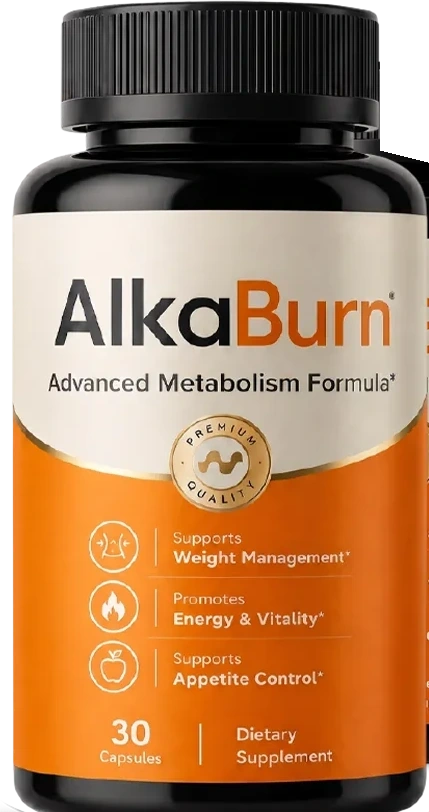
See garcinia's exact dose on the panel
AlkaBurn prints an amount for every active, garcinia included, rather than hiding it in a blend. Check the full Supplement Facts and today's pricing.
Order NowHow much garcinia cambogia should you take?
The dosing used in most research is not a mystery. The common regimen is around 500 mg of extract taken three times a day, which — depending on the HCA standardisation — works out to roughly 900 to 1,500 mg of hydroxycitric acid daily. Courses generally run eight to twelve weeks, the same window over which the trials measured their modest results.
Two cautions about dose. First, more is not better. The studies that pushed higher amounts did not report proportionally bigger losses, so mega-dosing buys you extra risk without extra reward. Second, the number that matters is HCA, not the headline "garcinia" weight. A product boasting "1,600 mg garcinia cambogia" at a low standardisation can deliver less active than a smaller, better-standardised dose. This is exactly why we favour labels that print the standardisation — a habit you can see on the full AlkaBurn ingredient panel breakdown, where each active carries a stated amount rather than a marketing round number.
When should you take garcinia cambogia?
Timing follows the mechanism. Because HCA is thought to act before and during a meal — dampening appetite and blunting fat synthesis from the carbohydrates you are about to eat — the standard advice is to take it 30 to 60 minutes before eating. In practice that means splitting the daily dose across your two or three largest meals rather than taking it all at once or with an empty-stomach coffee.
If your particular product combines garcinia with a stimulant, as many "fat burner" formulas do, timing gets a second consideration: the caffeine. A late-day dose that helps your appetite at dinner can still cost you sleep, and poor sleep quietly works against appetite control the next day. When garcinia rides alongside caffeine and green tea, an earlier schedule is the safer default.
Is garcinia cambogia safe for your liver?
For most healthy adults, garcinia's side effects are mild and short-lived: nausea, an upset stomach, digestive discomfort, or headache, most often at higher doses. That is a manageable profile for a short course.
The serious caveat is the liver. There are rare but real published reports of liver injury associated with garcinia-containing products, some of them in multi-ingredient "fat burners" where garcinia was only one component, which makes causation hard to pin on the fruit alone. Rare is not the same as never. The sensible reading is this: if you have existing liver disease, avoid garcinia entirely; and if you are otherwise healthy, stop taking it and seek medical advice promptly if you notice unusual tiredness, loss of appetite, abdominal pain, dark urine, or any yellowing of the skin or eyes.
Standard cautions apply on top of that. Garcinia is not for anyone under 18, or for pregnant or nursing mothers. If you take medication — particularly anything affecting blood sugar, or an antidepressant that raises serotonin — talk to a clinician first, because HCA's serotonin activity is a theoretical interaction worth respecting. If you want the fuller picture of what to watch for in the specific product, our write-up of AlkaBurn's reported side effects and cautions collects it in one place.
Two myths worth retiring
Myth one: "It burns fat while you sleep." Nothing about HCA burns existing body fat. Its proposed action is to reduce the creation of new fat from surplus carbohydrate and to soften appetite — both upstream of the scale, and both modest. Weight comes off when energy out exceeds energy in over time; garcinia can only ever nudge one side of that ledger a little.
Myth two: "You can eat whatever you want." This is the claim that made garcinia famous and it is the one the evidence flatly contradicts. Every trial that saw any benefit paired the supplement with a reduced-calorie diet. The pill was the passenger, not the driver. If a page tells you an ingredient lets you ignore your diet, that page is selling a fantasy — and it is a useful signal to distrust everything else it says.
Where garcinia fits inside AlkaBurn
AlkaBurn is a once-daily capsule built around five labeled actives, of which garcinia cambogia is one. We think that is the right way to frame it. Garcinia is not the reason to buy the product, and no honest formula should lean its whole promise on an ingredient with a 0.88 kg average. What garcinia does is contribute a plausible, gently appetite-leaning component to a panel that also includes caffeine and green tea for a thermogenic effect, plus other botanicals.
The thing we value about AlkaBurn's approach is disclosure: the label prints an amount for each active, so you can see how much HCA you are actually getting rather than trusting a proprietary blend to have "enough". That transparency lets you judge garcinia on its merits — a small, real, supporting nudge — instead of on the fantasy the wider industry built around it. If appetite is your main battle, a formula that includes a sensibly dosed garcinia alongside a genuine thermogenic core is a reasonable tool. Just keep the expectation calibrated to the evidence, not the advertising.
This article is about ingredients and evidence. It is not medical advice, and the statements on this product's label have not been evaluated by the Food and Drug Administration. This product is not intended to diagnose, treat, cure or prevent any disease.
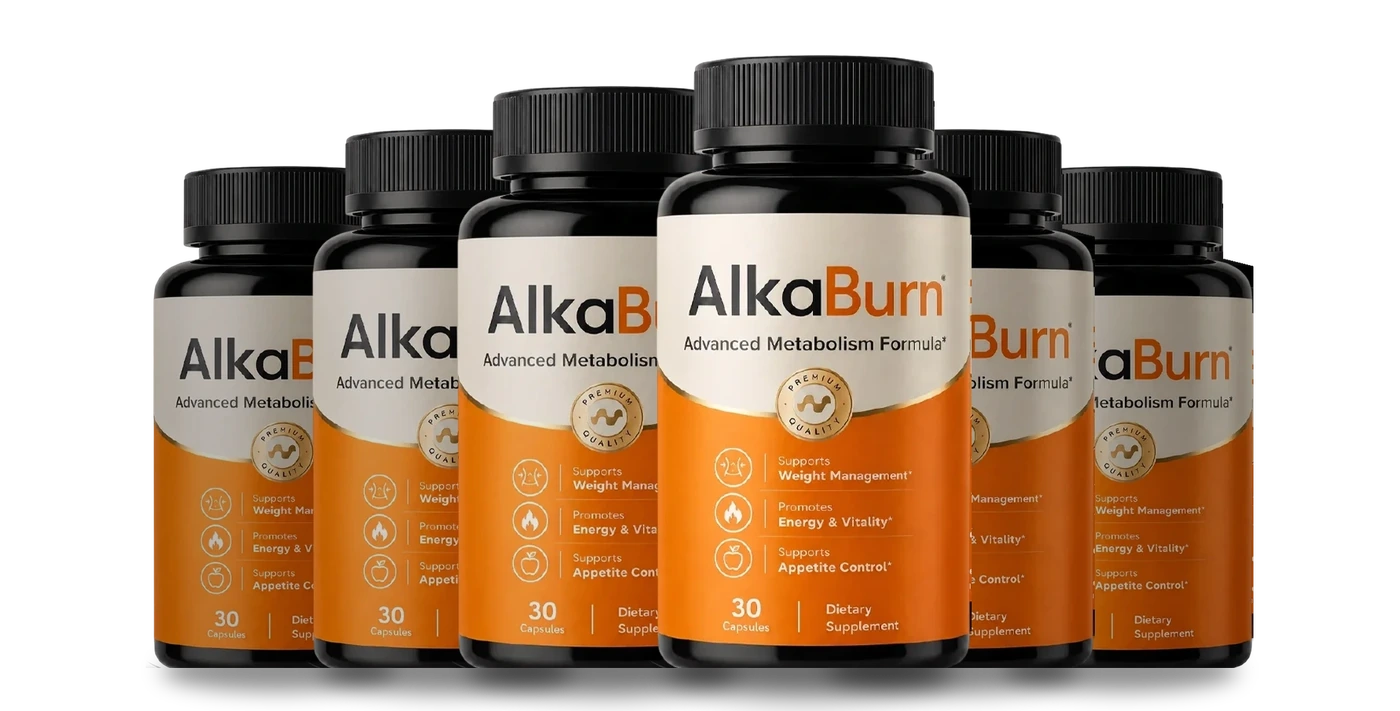
Garcinia dosed alongside a real thermogenic core
One fully disclosed panel, five labeled actives, and a 60-day money-back guarantee. See the current official-store pricing.
Order NowFrequently asked questions
Does garcinia cambogia really work for weight loss?
Modestly, at best. Pooled human trials put the average extra weight lost at about 0.88 kg over eight to twelve weeks, and that figure is often not statistically significant. It may take the edge off appetite for some people, but garcinia cambogia is a minor supporting ingredient, not a standalone weight-loss solution.
How much garcinia cambogia should you take?
Trials most often use about 500 mg of extract three times a day, which delivers roughly 900 to 1,500 mg of HCA depending on the standardisation, for a course of eight to twelve weeks. More is not better; the studies that used high doses did not produce proportionally larger results.
When should you take garcinia cambogia?
The usual approach is 30 to 60 minutes before meals, on the theory that HCA works best before food arrives. Splitting the dose across your two or three largest meals is the pattern used in most studies.
Is garcinia cambogia safe for your liver?
For most healthy adults the common complaints are mild and digestive. However, there are rare published reports of liver injury linked to garcinia-containing products, so anyone with existing liver disease should avoid it, and anyone else should stop and seek advice if they notice unusual fatigue, dark urine or yellowing of the skin or eyes.
References
Related reading
How appetite-leaning ingredients like garcinia really compare.
Every active and its printed amount, read plainly.
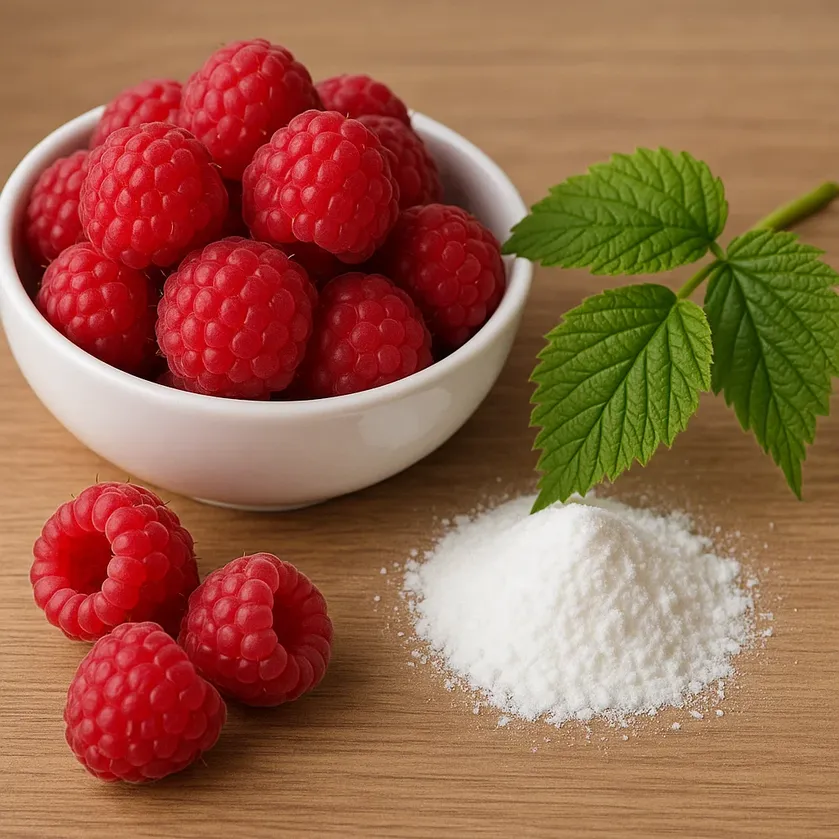
The weakest-evidence active in the formula, weighed honestly.
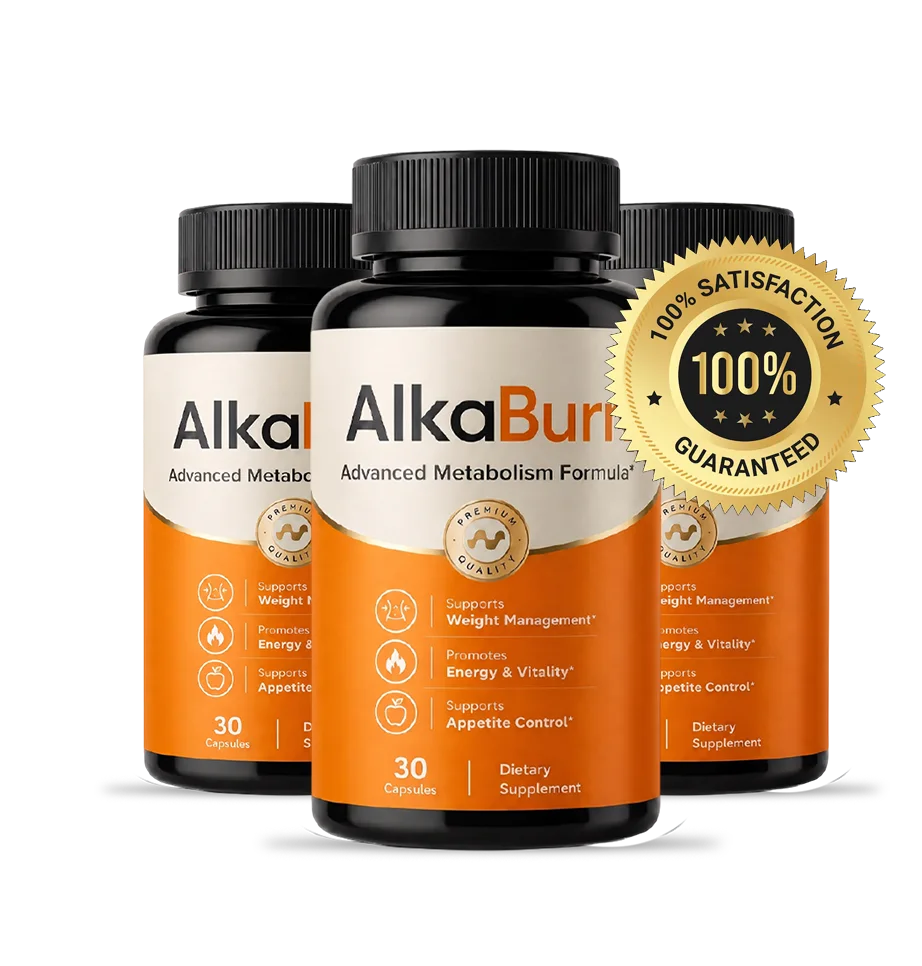
The cautions worth reading before your first capsule.