Raspberry Ketones for Weight Loss: Fact vs Hype
Do raspberry ketones work for weight loss?
There is no good human evidence that raspberry ketones cause weight loss on their own. The exciting results come from animal and cell-culture studies at doses far higher, relative to body weight, than any capsule delivers. Treat raspberry ketones as a minor supporting ingredient inside a complete formula, not the reason to buy a product.
- Raspberry ketones have the weakest human-trial record of any active in the AlkaBurn formula.
- Almost all of the "fat-burning" claims trace back to rodent or petri-dish studies, not people.
- Judge a supplement on its whole labeled panel — caffeine, green tea and garcinia do the heavier lifting.
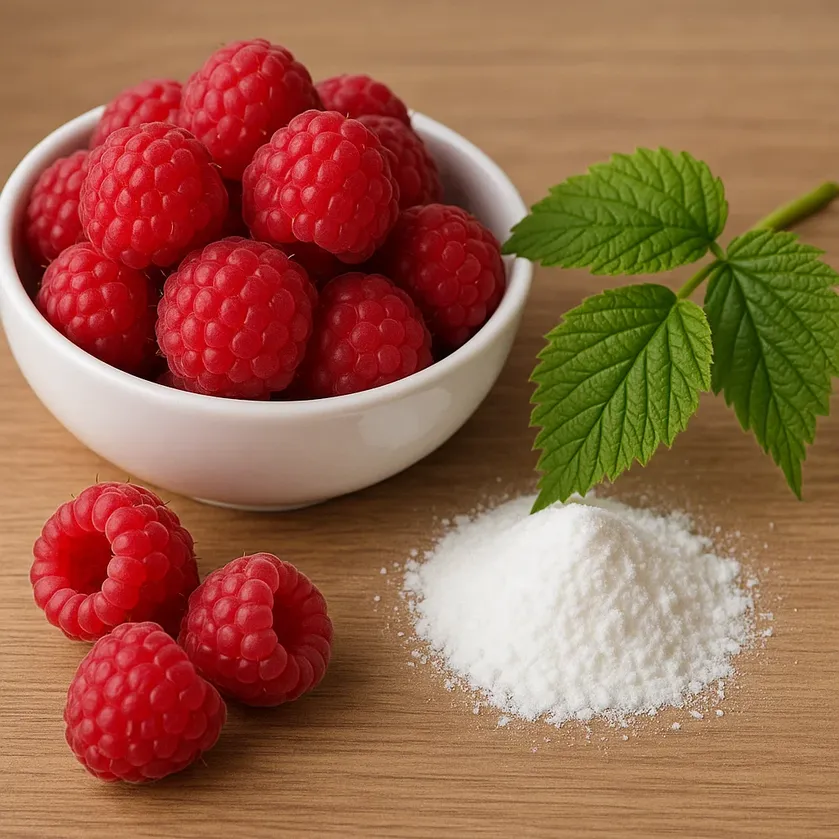
Few ingredients rode a bigger wave of hype than raspberry ketones. A single enthusiastic television segment in the early 2010s turned an obscure aroma compound into a global bestseller almost overnight, and the phrase "raspberry ketones" has been shorthand for effortless fat loss ever since. The problem is that the marketing sprinted years ahead of the science. This article separates raspberry ketones fact from hype: what the compound actually is, why the headline studies do not mean what the ads implied, whether it is safe, and — most usefully — how to think about it as one small line on AlkaBurn's five-active label rather than a miracle in a bottle.
What raspberry ketones actually are
Raspberry ketone is the aromatic compound that gives red raspberries much of their smell. In nature it exists in tiny quantities — you would need to eat an unrealistic mountain of fresh berries to get a supplement-sized dose — so the "raspberry ketones" sold in capsules are almost always produced synthetically or from other plant sources. That is not sinister; it is simply chemistry. But it does puncture the wholesome image of a berry extract, and it is worth knowing before you pay a premium for the word "raspberry" on a label.
Structurally, the molecule resembles synephrine and capsaicin, two compounds with mild stimulant and thermogenic reputations. That resemblance is exactly why researchers wondered whether it might influence fat metabolism, and why early lab work looked promising. Resemblance, though, is a starting hypothesis, not a proven effect — and this is where the story usually goes wrong.
Where the hype came from — and why it misleads
The excitement rests almost entirely on two kinds of study. First, cell-culture experiments, where raspberry ketone applied directly to isolated fat cells increased the breakdown of fat and boosted a hormone called adiponectin. Second, animal studies, where mice fed a high-fat diet plus raspberry ketones gained less fat than mice on the high-fat diet alone.
Both are real findings. Neither tells you what happens in a human being who swallows a capsule, for three stubborn reasons. The doses used in the animal work were enormous relative to body weight — often the equivalent of a person taking many grams per day, far beyond any commercial serving. A compound dripped onto cells in a dish bypasses digestion, liver metabolism and everything else that determines whether it ever reaches your fat tissue intact. And mice are not people; the graveyard of weight-loss ingredients is full of compounds that dazzled in rodents and did nothing in humans. When an ad cites "studies show," it is almost always pointing at this rodent-and-dish tier of evidence while letting you assume it means clinical trials.
Buy the panel, not the buzzword
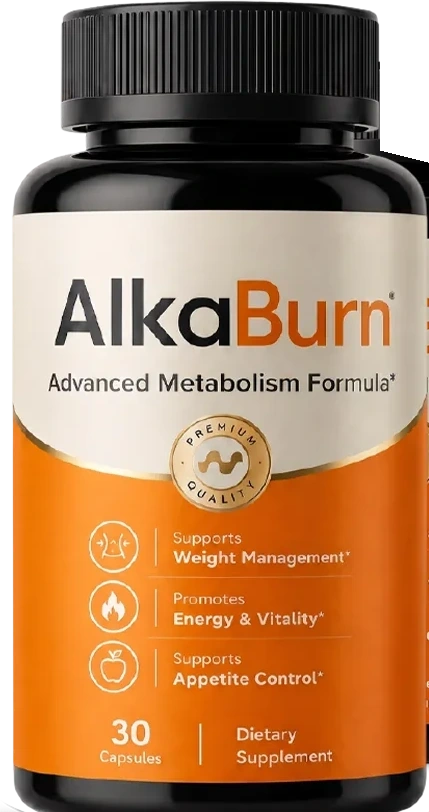
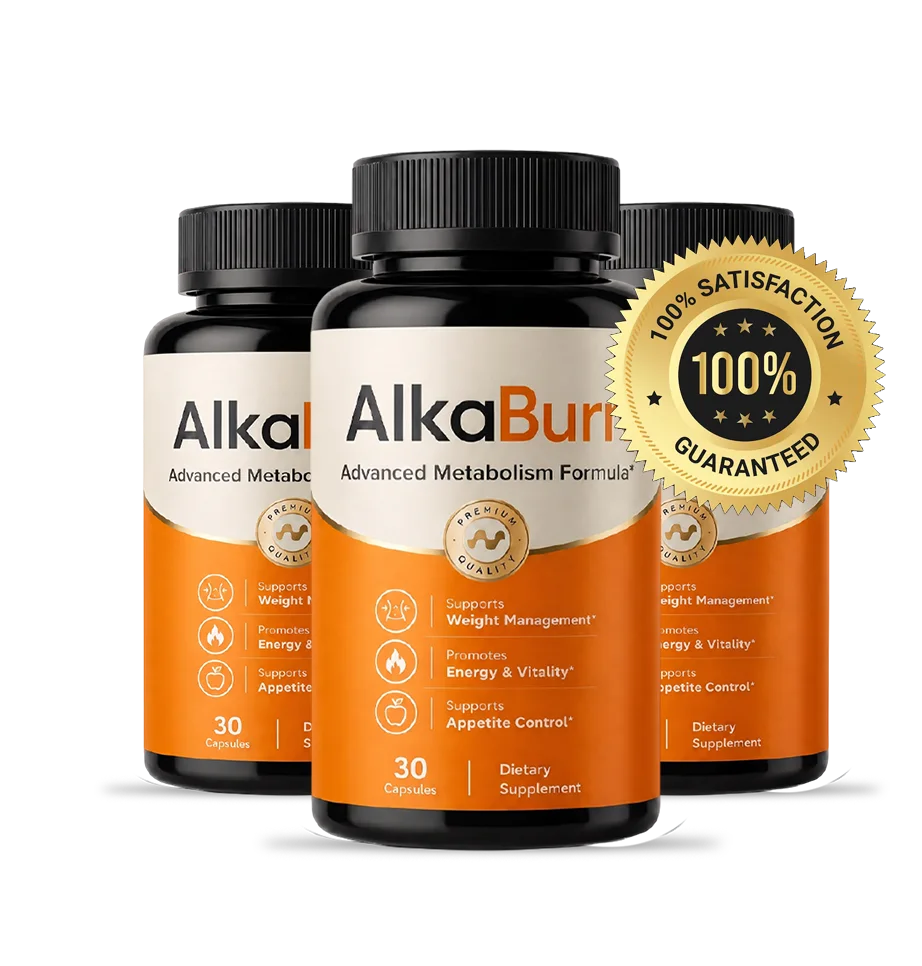
AlkaBurn prints every active and its amount, so raspberry ketones sit in context beside the ingredients that carry real evidence. See the full label and pricing.
Order NowIs there any human evidence for raspberry ketones?
Barely any, and none that isolates the ingredient. The small number of human studies that mention raspberry ketones tested them inside multi-ingredient blends — bundled with caffeine, bitter orange, garlic, ginger and other actives. When people on those blends lost a little weight, there is no honest way to credit the raspberry ketones rather than the caffeine sitting next to them. To date, no well-controlled trial has given people raspberry ketones alone and demonstrated a meaningful, repeatable effect on body weight.
Bundling an unproven ingredient with a proven one and then advertising the bundle's results as if the unproven ingredient earned them is one of the oldest moves in the supplement playbook, and raspberry ketones are its most famous beneficiary. That is the whole ballgame for an evidence-first buyer. An ingredient with no clean human trial cannot be the reason a formula works, no matter how good its story sounds. It can, at most, be a plausible minor contributor riding alongside ingredients that do have data. This is the same standard we apply across the panel — you can see how the better-evidenced actives compare in our breakdown of the complete AlkaBurn ingredient list and doses, and it is why we spend far more words on caffeine and catechins than on this one.
Are raspberry ketones safe?
At the modest amounts used in supplements, raspberry ketones appear generally well tolerated by healthy adults. The honest qualifier is that long-term human safety data is thin — you cannot have decades of safety studies on an ingredient that has no decades of proper efficacy studies. Reported effects are usually mild, but the picture is incomplete rather than reassuringly complete.
The specific thing to watch is the stimulant resemblance mentioned earlier. Because the molecule is a cousin of synephrine, people who react strongly to stimulants — jitteriness, a racing heart, elevated blood pressure — should treat a raspberry-ketone product with the same caution they would a caffeine one, especially when the two are combined, as they usually are. As always, it is not for anyone under 18 or for pregnant or nursing mothers, and anyone with a heart-rhythm disorder, high blood pressure, or thyroid disease, or who takes regular medication, should speak to a clinician before starting. Our overview of whether AlkaBurn works and what to realistically expect puts these cautions in the wider context of the formula.
Two myths worth retiring
Myth one: "It's just concentrated raspberries." It is not. The dose in a capsule is many times what you could get from eating berries, and the material is typically synthesised rather than pressed from fruit. The natural halo is marketing, not sourcing.
Myth two: "Studies prove it burns fat." Studies show an effect in fat cells and in mice at doses no human takes. That is a reason to keep researching, not a reason to promise results on a bottle. Any product that leans its whole pitch on raspberry ketones is selling you the hype, and that alone tells you something about the rest of its claims.
How to read a raspberry-ketone label without getting fooled
Because raspberry ketones are cheap and famous, they turn up on a lot of labels doing a lot of marketing work. A few habits will keep you honest as a buyer. First, look at where the ingredient sits on the panel: if raspberry ketones are the headline — the biggest text, the front-of-bottle claim — treat that as a warning sign, because a serious formula leads with the actives that have data. Second, be sceptical of "proprietary blend" labels that lump raspberry ketones together with caffeine and a dozen botanicals under a single combined weight. That format exists precisely so you cannot tell how much of anything you are getting, and it lets a weak ingredient hide behind a strong one.
Third, ignore the word "natural" as a quality signal. As we have seen, the raspberry ketones in almost every supplement are synthesised rather than pressed from fruit, so "natural raspberry" on the front of a bottle is at best loose language and at worst a deliberate halo. And fourth, watch for citation sleight of hand: phrases like "clinically studied" or "research shows" attached to raspberry ketones are almost always leaning on the rodent-and-dish tier of evidence, not human trials. A label that discloses its doses and does not oversell any single line is telling you something reassuring about how the whole product was designed.
How raspberry ketones fit inside AlkaBurn
AlkaBurn lists five actives, and raspberry ketones are one of them. We want to be straight about that placement: it is a minor supporting ingredient, and it is not why we think the formula is worth a look. The reason to consider AlkaBurn is the rest of the panel — a genuine caffeine-and-green-tea thermogenic core plus a sensibly dosed garcinia — together with a label that prints an amount for every line rather than hiding weak ingredients inside a proprietary blend.
That disclosure is exactly what lets you demote raspberry ketones honestly. Because AlkaBurn shows its doses, you are not being asked to pay for a buzzword doing secret heavy lifting; you can see it for what it is and judge the product on the ingredients that actually carry evidence. A formula that includes raspberry ketones as a small extra is fine. A formula that is essentially raspberry ketones with a good story is not. The difference is the whole panel, and the whole panel is what we recommend you buy on. If you want to weigh raspberry ketones against the compound with the strongest human record here, our piece on green tea EGCG for weight loss is the natural next read.
This article is about ingredients and evidence. It is not medical advice, and the statements on this product's label have not been evaluated by the Food and Drug Administration. This product is not intended to diagnose, treat, cure or prevent any disease.
A formula judged on its whole label
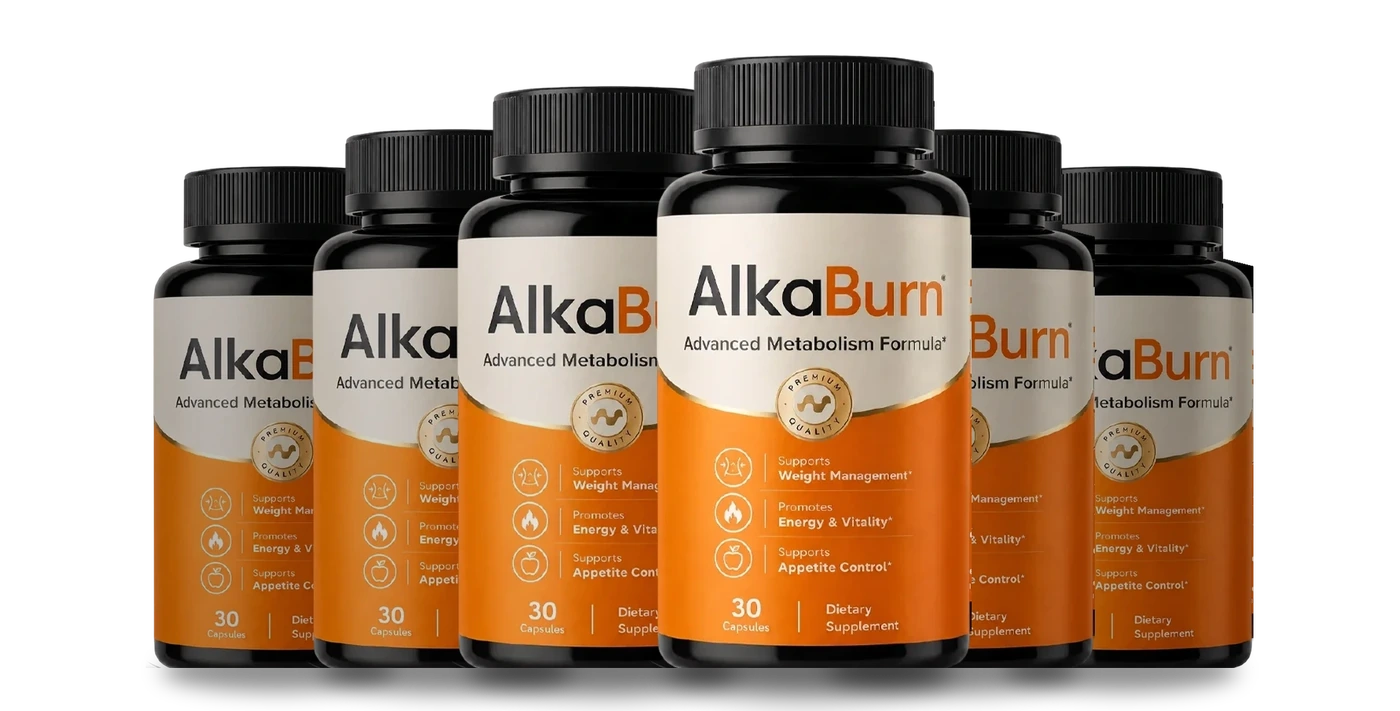
Five disclosed actives, an evidence-backed thermogenic core, and a 60-day money-back guarantee. See today's official-store pricing.
Order NowFrequently asked questions
Do raspberry ketones work for weight loss?
There is no good human evidence that raspberry ketones cause weight loss on their own. The exciting results come from animal and cell-culture studies at doses far higher, relative to body weight, than any capsule provides. Treat raspberry ketones as a minor supporting ingredient, not the reason to buy a product.
Is there human evidence for raspberry ketones?
Almost none of quality. The handful of human studies that exist tested raspberry ketones inside multi-ingredient blends, so any effect cannot be credited to the ketones alone. No well-controlled trial has isolated raspberry ketones and shown a meaningful, repeatable result in people.
Are raspberry ketones safe?
At the small amounts used in supplements they appear generally well tolerated for healthy adults, with limited long-term safety data. Because they are structurally similar to stimulants like synephrine, people who are sensitive to stimulants, or who have heart or blood-pressure conditions, should be cautious and speak to a clinician first.
Why are raspberry ketones in fat burners?
Largely for marketing. The name is appealing, the early animal data made headlines, and the ingredient is cheap to include. In a serious formula it functions as a minor supporting component; the actives that carry the real thermogenic and appetite work are caffeine, green tea catechins and garcinia.
References
Related reading
Every active and its printed amount, read plainly.

The appetite active weighed against its real trial numbers.
The catechin that carries the formula's thermogenic case.
The whole formula judged against the evidence.