Caffeine for Weight Loss: Does 138mg Help?
How does caffeine help with weight loss?
Caffeine helps with weight loss by mildly raising your metabolic rate, increasing fat oxidation, and briefly blunting appetite. The effect is real but modest, and it fades as tolerance builds. AlkaBurn's disclosed 138mg dose is roughly a strong cup of coffee, enough to matter without pushing most adults past safe daily limits.
- Caffeine nudges up energy expenditure and fat burning for a few hours.
- 138mg is a moderate, coffee-sized dose, disclosed on AlkaBurn's own label line.
- Keep total daily caffeine under about 400mg and avoid late-day dosing.

Of all the ingredients marketed for fat loss, caffeine for weight loss is the one with the longest track record and the least mystery. You already know how it feels, you can measure your own response to it, and the science behind it is refreshingly boring: it works a little, in a predictable direction, for most people. The question worth asking is not whether caffeine does anything, but whether a specific dose, the 138mg AlkaBurn prints on its label, is enough to matter and safe enough to take daily. This article answers both, without overselling either.
We will walk through the mechanism in plain language, put the 138mg figure in the context of your coffee cup and the daily safety ceiling, and be honest about the two things marketers rarely mention: tolerance, which quietly erodes the effect, and timing, which decides whether your fat burner also becomes the reason you cannot sleep. If you want the raw label detail first, our companion piece breaks down exactly how much caffeine is in each AlkaBurn capsule and where the extra fraction comes from.
How caffeine for weight loss actually works
Caffeine is a central-nervous-system stimulant, and the weight-relevant part of what it does flows from that. By blocking adenosine receptors it increases sympathetic activity, which produces three small, overlapping effects. First, it raises your resting metabolic rate for a few hours, so you burn a fraction more energy just sitting still. Second, it increases lipolysis and fat oxidation, meaning a slightly larger share of the fuel you burn comes from fat. Third, it can reduce perceived appetite for a short window and lower the sense of effort during exercise, so a workout feels easier and you may do a touch more.
None of these is dramatic. Added together over a day, the extra energy expenditure is real but small, on the order of a modest snack, not a meal. That is exactly why honest sources describe caffeine as a helper. It tilts the maths slightly in your favour, and when it sits on top of a genuine calorie deficit and regular movement, that small tilt compounds over weeks. Take away the deficit and the tilt has nothing to act on.
Does 138mg actually help? Putting the AlkaBurn dose in context
Dose is where most fat burners either shine or embarrass themselves, so it is the right place to judge AlkaBurn. The 138mg of caffeine anhydrous is printed on its own line, not buried in a proprietary blend, which means you can actually reason about it. In practical terms, 138mg is roughly one strong cup of brewed coffee, and it lands squarely in the range where studies tend to see a measurable metabolic response in adults. It is high enough to do something and low enough that it is not reckless as a once-daily dose.
Compare that to the two failure modes at either end of the market. Underdosed products sprinkle 30 to 50mg of caffeine so they can list it, then rely on you feeling nothing and blaming yourself. Overdosed products stack 300mg or more into a single serving, chasing a jolt that reads as "it's working" while pushing sensitive people toward jitters, a racing heart and a wrecked night. A disclosed 138mg sits in the sensible middle: enough to matter, restrained enough to combine with a normal coffee habit if you plan for it.
There is one more reason the AlkaBurn dose punches slightly above its number. Caffeine does not act alone in the capsule; it is paired with a green tea extract standardised for catechins, and those two are studied together because they appear to work better in combination than either does alone. We cover that synergy in detail in our explainer on why green tea EGCG amplifies caffeine's fat-burning effect, and it is the single best argument for choosing a formula that includes both rather than a caffeine pill on its own.
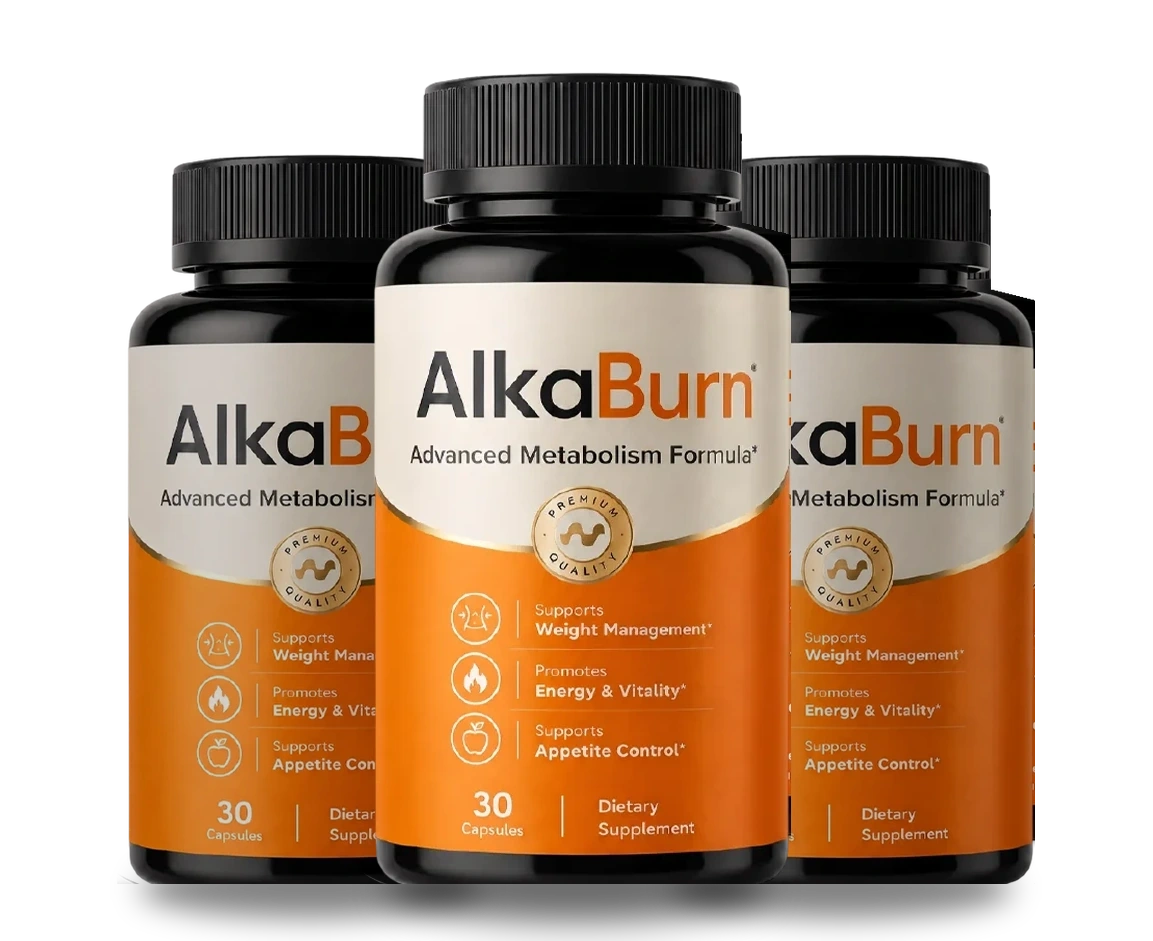
See the 138mg on the panel
AlkaBurn prints its caffeine dose on its own line, alongside a green tea extract standardised for EGCG. Check the numbers and today's pricing.
Order NowThe tolerance problem nobody puts on the label
Here is the objection every honest guide has to raise: caffeine's effects fade with regular use. Your body adapts to a steady dose over days and weeks, upregulating adenosine receptors so the same 138mg produces a smaller metabolic and appetite response than it did on day one. This is not a flaw in AlkaBurn specifically; it is true of every caffeine source, including your morning coffee. It is simply the reason caffeine is a helper for a season rather than an engine forever.
You have two sensible ways to handle this. The first is to accept the front-loaded benefit, use the product while you build the habits that actually drive weight loss, and not expect the caffeine itself to keep pulling the same weight month after month. The second is to cycle, taking short planned breaks to restore sensitivity rather than creeping the dose upward, which is how people end up drinking 500mg a day and sleeping badly. What you should not do is interpret fading effects as a reason to double up. Chasing tolerance with more caffeine is the fast route to the side effects, and we lay those out plainly in our guide to the AlkaBurn side effects worth knowing before you start.
How much caffeine is safe per day
The FDA points to about 400mg of caffeine a day as an amount not generally associated with negative effects in healthy adults. A single 138mg dose sits comfortably inside that, and leaves room for a cup or two of coffee, provided you actually count them together. The mistake people make is treating a capsule as separate from their drinks. It is not. Your daily total is the capsule plus every coffee, tea, cola, energy drink and pre-workout you consume, and it is that total the 400mg figure refers to.
Sensitivity also varies enormously between individuals, driven partly by genetics and partly by habit. The same 138mg that a heavy coffee drinker barely notices can leave a caffeine-naive person wired and anxious. If you are on the sensitive end, the ceiling that matters is your own, not the population average, and it may be well below 400mg. Start low, take it early, and pay attention to how you feel and sleep before you add anything else caffeinated to the day.
Timing and stacking: the part that protects your sleep
Caffeine's half-life is long, commonly five to six hours and sometimes more, which means a meaningful amount is still circulating hours after the subjective lift has faded. Take your 138mg before breakfast or lunch and it has most of the day to clear. Take it in the afternoon or evening and it is quietly undermining the sleep you need, and short sleep is itself linked to worse appetite regulation the next day, which works directly against your goal. An early dose is the sensible default, and AlkaBurn's once-daily format makes that easy: there is no second capsule to accidentally take at 4pm.
Stacking is the other trap. If you rely on a strong coffee to wake up, a pre-workout before the gym, and an energy drink in the slump, adding a capsule on top can push you past your comfortable ceiling without you noticing. Plan the day as a caffeine budget. Decide where the 138mg fits and trim a drink elsewhere to make room, rather than layering it on top of an already caffeinated routine.
Who should skip caffeine-based fat burners
Caffeine is not for everyone, and a weight-management goal does not change that. The label rules out anyone under 18 and tells pregnant or nursing mothers to consult a physician first. Beyond that, speak to a clinician before using a caffeine-based product if you have high blood pressure, a heart-rhythm disorder, an anxiety or panic disorder, thyroid disease or reflux, or if you take other stimulants, MAO inhibitors, theophylline or a blood thinner. And if your relationship with caffeine is already the problem, if you are trying to cut down, sleep better, or calm anxiety, adding a stimulant is the wrong tool no matter how good the fat-loss angle sounds.
This article is educational, about how caffeine affects metabolism and how to use it responsibly. It is not medical advice, and the statements on this product's label have not been evaluated by the Food and Drug Administration. This product is not intended to diagnose, treat, cure or prevent any disease.
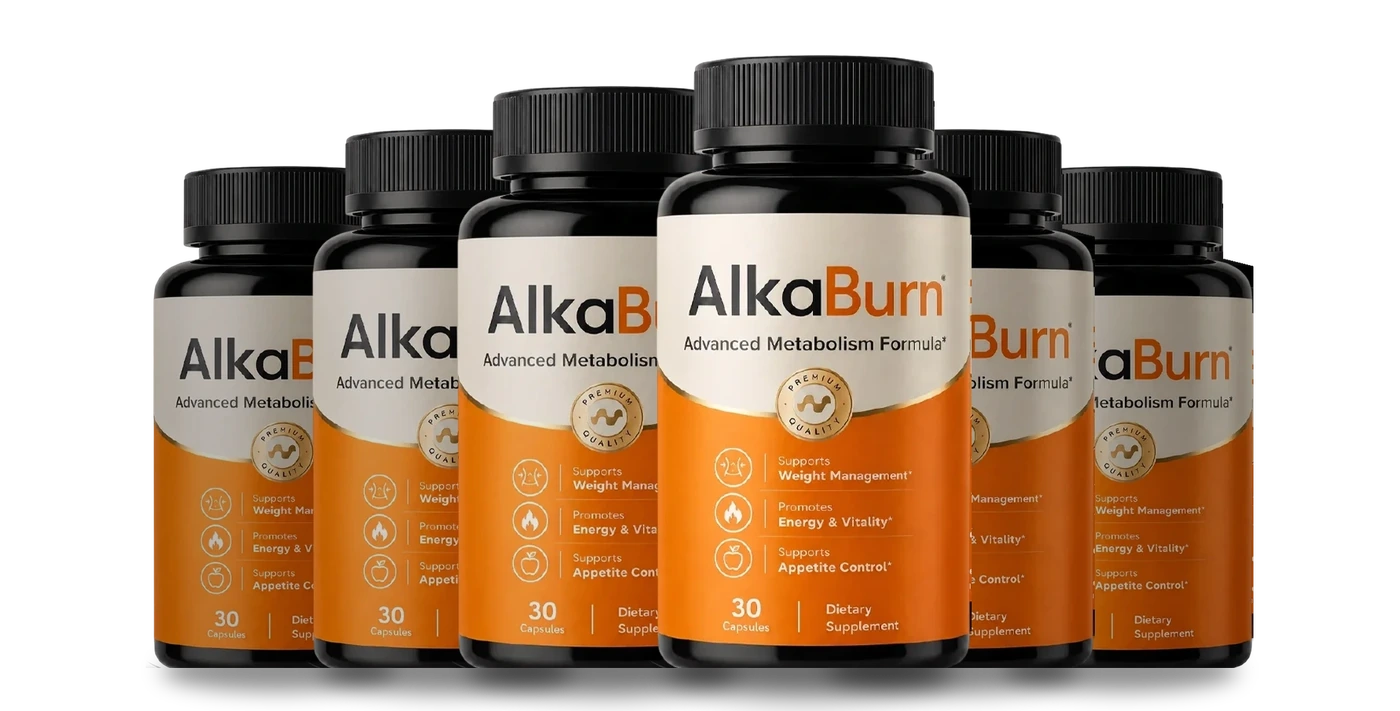
A caffeine dose you can actually plan around
One capsule, 138mg disclosed on the label, paired with green tea catechins and backed by a 60-day guarantee. See today's official-store pricing.
Order NowFrequently asked questions
How does caffeine help with weight loss?
Caffeine stimulates the nervous system, which mildly raises your resting metabolic rate and increases the amount of fat your body uses for fuel. It can also blunt appetite for a short window and make exercise feel easier, so you do a little more. Each effect is small on its own, and together they only translate into weight loss on top of a calorie deficit.
Is 138mg of caffeine a lot?
No, 138mg is a moderate dose, roughly equal to one strong cup of brewed coffee. It is enough to produce a measurable metabolic effect for most adults without being extreme, but it is not trivial. Because AlkaBurn discloses the figure on its own line, you can count it accurately against the rest of your daily caffeine.
How much caffeine is safe per day for weight loss?
For most healthy adults the FDA points to about 400mg of caffeine a day as an amount not generally associated with negative effects. A 138mg dose leaves room for a little coffee or tea, but you have to count everything together. Sensitivity varies widely, so people who feel jittery, anxious or sleepless should stay well below that ceiling.
Does caffeine tolerance reduce fat-burning effects?
Yes. With regular use your body adapts, and the metabolic and appetite effects of a given dose shrink over the following weeks. Tolerance is why caffeine is best treated as a helper rather than a long-term engine of weight loss. Some people cycle it, taking short breaks to restore sensitivity, rather than steadily increasing the dose.