Probiotics for Weight Loss: Gut Health & Fat
Can probiotics help you lose weight?
Some probiotic strains show modest reductions in body weight and fat in certain trials, likely by influencing appetite signals and inflammation. The evidence is mixed and strain-specific, so probiotics are best treated as a supportive habit alongside fibre-rich food, protein and movement — not a stand-alone weight-loss solution.
- The gut-weight link is real, but the effect size in humans is small.
- Benefits depend on the exact named strain and dose, not the word "probiotic."
- Fibre feeds the good bacteria you already have — pair the two.

Every few years a new idea takes over the weight-loss conversation, and right now the idea is the gut. The pitch is seductive: reset the bacteria in your digestive tract and the fat takes care of itself. So do probiotics for weight loss actually work, or is this the latest wellness story dressed up in science? The honest answer sits in the middle. There is a genuine, well-documented link between the trillions of microbes in your gut and how your body regulates weight — but the human evidence for swallowing a probiotic capsule and watching the scale drop is modest, mixed and strain-specific.
This article lays out what the research really supports, how gut bacteria influence body weight, which strains have the most backing, and the honest limits of the whole approach. Because we earn commission on a supplement that includes a gut-support angle, we will be candid about where a probiotic helps and where it is oversold.
Probiotics for weight loss: what the evidence really shows
Start with the strongest claim you can defend. A number of randomised trials have tested specific probiotic strains against a placebo and measured body weight, BMI, waist circumference or fat mass over two to three months. Pooled together, the better analyses find a small average benefit — often on the order of a modest reduction in body fat or waist size rather than dramatic weight loss. The keyword is small. We are talking about a helpful nudge for some people under some conditions, not a mechanism that competes with diet and training.
Two caveats keep the topic honest. First, the results are inconsistent: for every trial showing a benefit, another shows little or nothing, and effects vary by strain, dose, duration and the person's starting microbiome. Second, most of these trials pair the probiotic with dietary guidance, so untangling the bug from the behaviour is hard. What you can safely conclude is that probiotics are a plausible supportive tool with emerging evidence — not a proven fat-loss engine. Anyone marketing them as the latter has run ahead of the science.
How gut bacteria affect body weight
The mechanisms are where this gets genuinely interesting, because they are better established than the weight-loss outcomes themselves. Your gut microbiome influences body weight through at least four routes.
Energy harvest. Different microbial communities extract different amounts of energy from the same food. Some bacteria are more efficient at breaking down fibre into absorbable calories, which in theory shifts the energy you take from a meal. The effect in any one person is small, but it is real and measurable in the lab.
Short-chain fatty acids. When gut bacteria ferment fibre, they produce short-chain fatty acids such as butyrate, propionate and acetate. These molecules do more than feed your gut lining — they signal to the hormones that govern appetite and fat storage, and they influence how full you feel after eating. This is one of the clearest links between a fibre-fed microbiome and healthier appetite regulation.
Inflammation. An imbalanced gut barrier can let inflammatory compounds leak into circulation, contributing to the low-grade inflammation associated with insulin resistance and weight gain. Certain strains appear to strengthen the gut barrier and lower that inflammatory signal, which is a plausible route to better metabolic health.
Appetite hormones. The gut is in constant conversation with the brain through hormones like GLP-1 and PYY, which tell you when to stop eating. Microbial activity — again, largely via short-chain fatty acids — feeds into that conversation. A microbiome that supports satiety signalling can make it a little easier to eat less without white-knuckling it.
Put together, these mechanisms explain why gut health belongs in a weight conversation at all. They also explain why the effect is modest: each route nudges the system a little, and none of them overrides the fundamentals of energy balance. If you want to see how those fundamentals stack up, our guide on how to boost metabolism naturally after 40 covers the levers that do the heavy lifting.
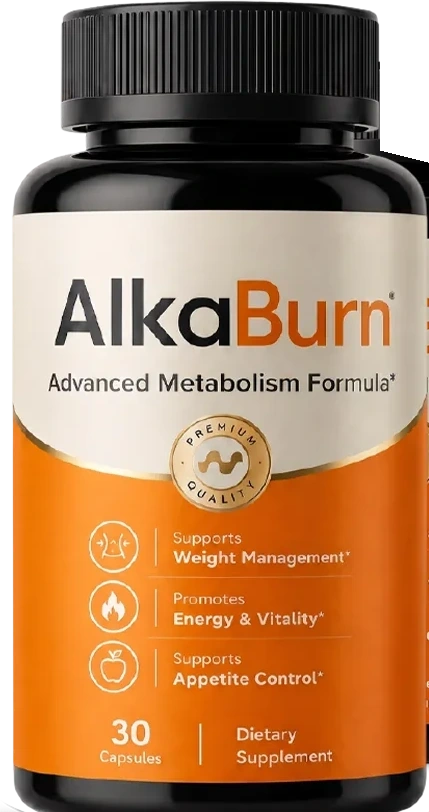
A once-daily capsule with a gut-support angle
AlkaBurn pairs a thermogenic base with botanical extracts chosen to sit gently on digestion. See the full Supplement Facts panel and today's pricing before you decide.
Order NowWhich probiotic strains have the most support
Here is the single most important thing to understand before you buy anything: probiotics work at the strain level, not the species level, and certainly not at the level of the word "probiotic" on a label. Two products can both say Lactobacillus and contain entirely different organisms with entirely different effects.
In the weight literature, the families that appear most often are Lactobacillus and Bifidobacterium. Within those, a few strains have been studied more than the rest — Lactobacillus gasseri shows up repeatedly in body-fat trials, and several Bifidobacterium strains appear in studies of waist circumference and metabolic markers. That does not make them magic; it makes them the ones with actual human data behind them. When a formula names its exact strains and doses (usually expressed in CFUs, colony-forming units), you can look them up. When it hides behind a "proprietary blend" and a big front-of-pack number, you cannot judge it at all, and you should be sceptical.

Three honest objections to address
"If probiotics worked, everyone would be thin." Fair, and true. This is exactly why we frame them as supportive. The effect is small and inconsistent, and it sits on top of diet, sleep and activity rather than replacing them. If you were hoping a capsule of bacteria would do the work for you, the evidence will disappoint you — and any product promising otherwise is overselling.
"A supplement can't beat food." Also true, and it points to the smartest move you can make. The bacteria you already carry respond powerfully to what you feed them. A diet rich in fibre, fermented foods, and plant variety improves microbial diversity more reliably than most capsules, and it costs nothing extra. Think of a probiotic as a possible add-on to a fibre-rich diet, never a substitute for one.
"The evidence is too shaky to bother." Reasonable, and a matter of expectations. The mechanisms are solid; the weight outcomes are modest and mixed. If you go in expecting better digestion and a small possible metabolic assist, you are aligned with the science. If you go in expecting the scale to move on its own, you are not. That distinction is the whole game with emerging supplement categories — and it applies to every diet supplement for weight loss you will ever be sold.
How to actually use probiotics, if you choose to
If you decide a probiotic is worth trying, do it in a way the evidence supports. Feed the bacteria first: build meals around fibre-rich vegetables, legumes, whole grains, nuts and fermented foods like yoghurt, kefir and kimchi. Prebiotic fibre is the fuel that lets any probiotic — or your existing flora — actually do something. Choose products that name their strains and doses rather than hiding behind a blend. Give it time: the trials that saw any change ran eight to twelve weeks, so a two-week trial tells you nothing about weight, even if digestion improves sooner. And keep your expectations proportional to the evidence — a supportive nudge, not a transformation.
Prebiotics versus probiotics: feed before you seed
Most people spend money in the wrong order. They buy a capsule of live bacteria (a probiotic) and ignore the fibre that actually feeds bacteria (a prebiotic). It is a little like buying goldfish before you own a tank. Prebiotic fibres — found in onions, garlic, leeks, oats, legumes, slightly-green bananas and dozens of ordinary plants — are the fuel your gut microbes ferment into the short-chain fatty acids that drive most of the benefits we discussed above. Without that fuel, even a well-chosen probiotic has little to work with.
This is why the single most reliable "gut-health" intervention is not a supplement at all: it is eating thirty or so different plant foods across a week. Plant variety, more than any single food, tracks with microbial diversity, and a diverse microbiome is the one most consistently associated with healthier weight regulation and better metabolic markers. Fermented foods — yoghurt, kefir, sauerkraut, kimchi, miso — layer live cultures on top of that fibre base and have some of the better human evidence for raising diversity. If you do add a probiotic capsule, think of it as a "synbiotic" strategy: pair the live strains with the prebiotic fibre they need, rather than swallowing bacteria into a fibre-starved gut and hoping.
What realistic gut-health results look like
Expectations are where most people go wrong, so let us set honest ones. In the first week or two of feeding your gut better, the changes you notice are digestive: more regular bowel movements, less bloating, sometimes a temporary increase in gas as the microbial population shifts. That is normal and usually settles. These early wins are real, but they are not weight loss — they are your digestion adjusting.
Any weight-related effect, where it happens at all, is slow and small. The trials that measured a benefit ran two to three months, and the average change was measured in a modest reduction of fat or waist size, not a transformed silhouette. So a fair way to judge whether a gut-focused approach is helping you is not the scale after ten days; it is how you feel, digest and manage hunger after eight to twelve weeks of consistent fibre, fermented foods and — if you choose — a named-strain probiotic. If nothing has shifted by then, the honest move is to stop paying for it and put the money toward protein and vegetables, which never stop working.
Safety, quality and who should be cautious
For most healthy adults, probiotics from food and reputable supplements are well tolerated, with mild, temporary digestive symptoms being the usual worst case. Quality varies enormously, though. Because supplements are not pre-approved by the FDA, the burden is on you to choose products that name their exact strains and doses, ideally with third-party testing, and to check that the "billions of CFU" on the front are guaranteed through the printed expiry date rather than merely at the time of manufacture. A big number that has died on the shelf is worth nothing.
Caution matters more for some people. Anyone who is immunocompromised, seriously ill, or has a central line or recent major surgery should not take live-culture supplements without medical guidance, because the usual safety margin does not apply to them. Pregnant and nursing women, and anyone managing a chronic condition or taking medication, should run any new supplement — gut-focused or otherwise — past a clinician first. As with everything on this site, read the printed label, judge the product on its named ingredients, and treat the marketing story with polite scepticism.
Where AlkaBurn fits in the gut conversation
AlkaBurn is not a dedicated probiotic product, and we will not pretend it is. It is a once-daily metabolism capsule built around a thermogenic base of caffeine and green tea extract, with botanical extracts chosen to be gentle on digestion and to complement a gut-friendly routine. If your interest is specifically in seeding named probiotic strains, a purpose-built probiotic is the more direct tool. If your interest is a broader daily metabolism support that you pair with fibre, fermented foods and the habits above, AlkaBurn's approach can sit alongside that plan.
The honest framing is the same one we apply to every product on this site: read the printed panel, judge the formula on its named ingredients and doses, and treat any supplement as the last few percent of the effort. Before you buy, it is worth walking through whether AlkaBurn works and what to realistically expect so your expectations match the ingredients rather than the marketing.
This article is about digestion, the gut microbiome and general nutrition. It is not medical advice, and the statements on this product's label have not been evaluated by the Food and Drug Administration. This product is not intended to diagnose, treat, cure or prevent any disease. Speak to a qualified healthcare professional before starting any supplement, especially if you take medication or manage a health condition.
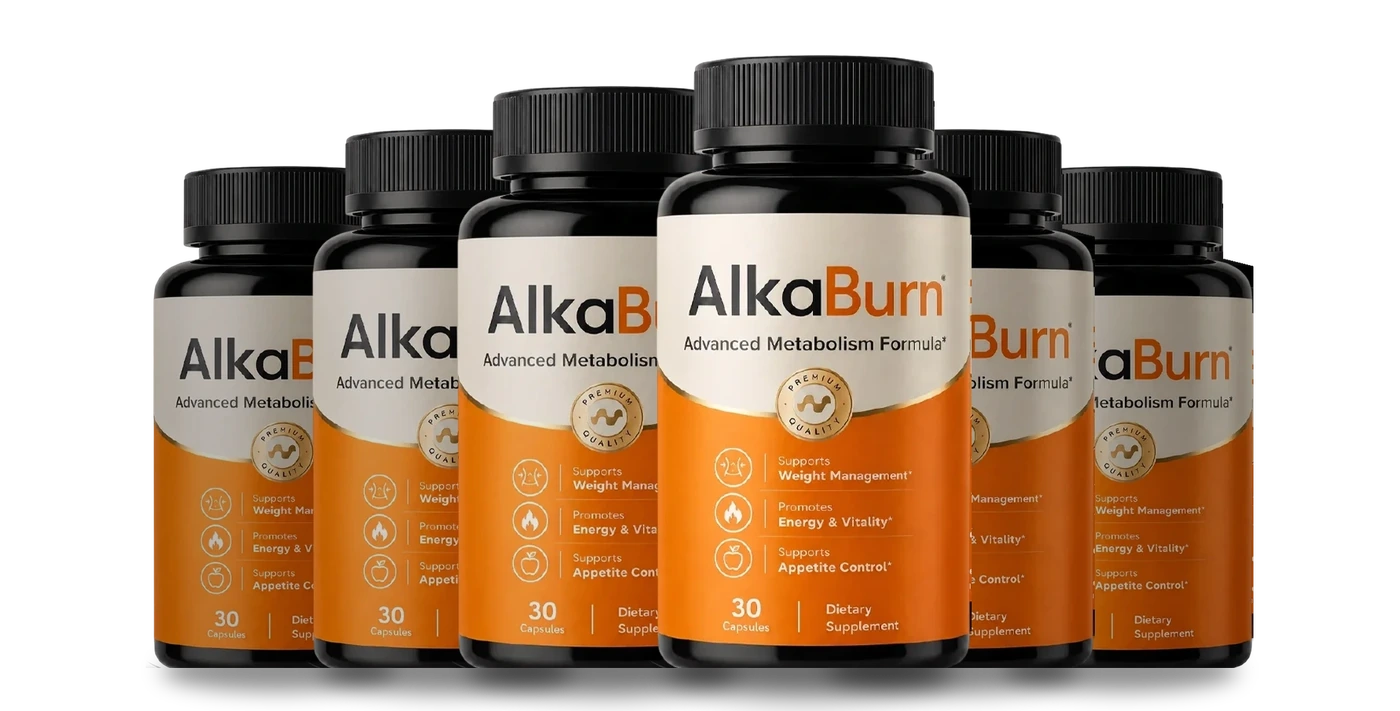
Pair daily support with a fibre-rich plate
Feed your gut with real food, then decide if a once-daily capsule earns a place in your routine. See the full AlkaBurn panel and current pricing.
Order NowFrequently asked questions
Can probiotics help you lose weight?
In some trials certain strains produced modest reductions in body weight and belly fat, but the effects are small and not universal. Probiotics are best seen as a supportive habit that may help alongside a calorie-aware diet, fibre and activity — not a stand-alone way to lose weight.
How do gut bacteria affect body weight?
Your gut microbes influence how much energy you extract from food, produce short-chain fatty acids that feed into appetite and fat-storage signals, affect low-grade inflammation, and interact with hormones that tell your brain when you are full. A more diverse, fibre-fed microbiome is generally associated with healthier weight regulation.
Which probiotics are best for weight loss?
The most studied are strains from the Lactobacillus and Bifidobacterium families, with Lactobacillus gasseri and certain Bifidobacterium strains appearing most often in weight trials. Benefits are strain-specific, so a product's exact named strains matter far more than the word probiotic on the front of the label.
How long do probiotics take to affect weight?
Most trials that saw any weight or fat change ran for eight to twelve weeks of daily use, and the changes were modest. Gut and digestion effects can appear within days, but weight-related effects, where they occur at all, are gradual. Consistency and a fibre-rich diet matter more than any single dose.