Appetite Suppressant That Works, No Script
What appetite suppressant works without a prescription?
A non-prescription appetite suppressant that works relies on three tools: caffeine and other stimulants, soluble fiber, and botanicals such as garcinia. Caffeine has the most consistent short-term effect on perceived hunger. Effect sizes are modest, so match the tool to your stimulant tolerance and pair it with protein and hydration.
- Caffeine gives the fastest, most reliable short-term appetite blunting; fiber works through fullness.
- Check your stimulant tolerance and daily total before adding a caffeine-based option.
- AlkaBurn is one labeled example — 138mg caffeine per capsule with disclosed doses.
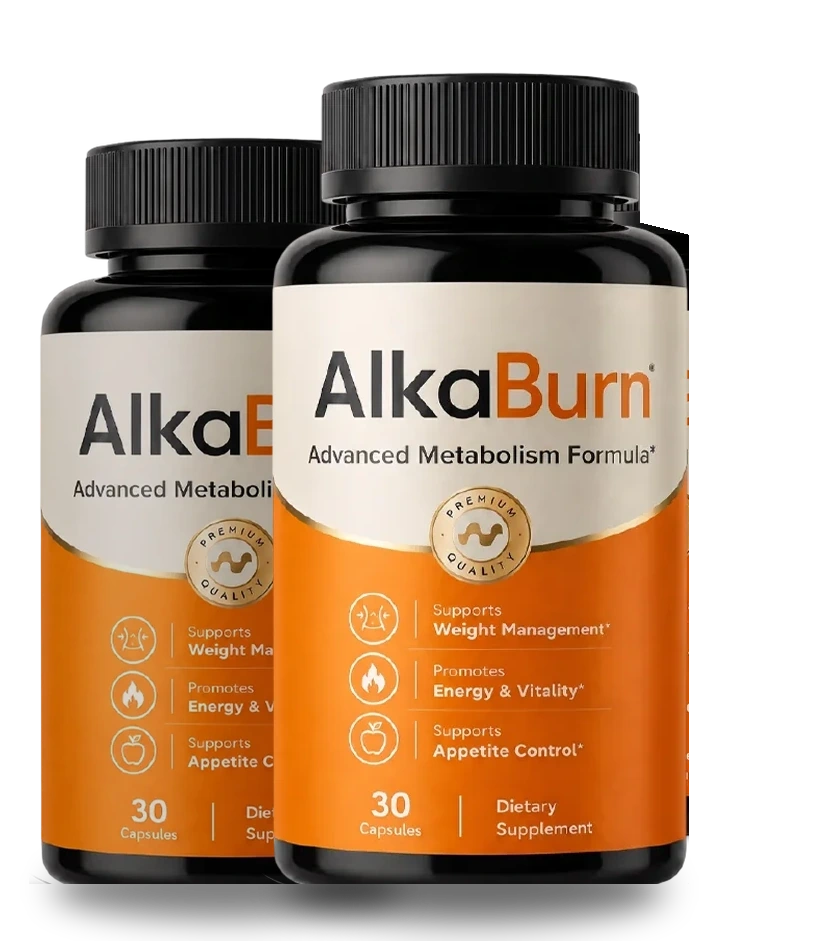
You want an appetite suppressant you can buy today, without a doctor's visit, that does something you can actually feel — and you would like to be told the truth about how much that "something" is. Fair enough. This guide skips the hype and walks through how non-prescription appetite support really works, how to match it to your own stimulant tolerance, and where a labeled option such as AlkaBurn, built around 138mg of caffeine per capsule, fits for the right person. No script required, and no promises the science cannot keep.
The category is crowded with products that promise to switch hunger off. The reality is quieter and more workable: a good over-the-counter suppressant opens a window of reduced hunger, and what you do inside that window decides whether it helps. Here is how to choose one and use it well.
The three tools behind every OTC appetite suppressant
Strip away the branding and non-prescription appetite support comes down to three mechanisms. Knowing which one a product uses tells you what to expect from it.
Stimulants — caffeine above all — are the workhorses. Caffeine reliably blunts perceived hunger for a few hours in many people and adds an energy lift that makes activity easier. It is the fastest-acting and best-documented of the three, which is why it anchors most serious formulas. Soluble fiber works through a completely different route: it slows digestion and creates physical fullness, so it is gentler, non-stimulant, and better suited to people who cannot or would rather not take caffeine. Botanicals such as garcinia and its hydroxycitric acid round out the group, with preliminary and mixed evidence — reasonable as passengers in a formula, unconvincing as the whole engine.
The honest headline across all three is that effect sizes are modest. That is not a reason to dismiss them; it is a reason to use them correctly, on top of the food habits that do the heavy lifting. If you want the broader landscape of non-prescription options, our overview of over-the-counter weight loss pills that actually work sets the expectations for the whole aisle.
Why caffeine is the one most people feel
If you have ever noticed that a strong coffee kills your appetite for a couple of hours, you have already run the experiment. Caffeine's short-term hunger-blunting is the most consistent effect in the category, and it is the reason AlkaBurn is built around a disclosed 138mg of caffeine per capsule rather than hiding a stimulant inside a proprietary blend. That number matters for two reasons. First, 138mg is a meaningful, coffee-strength dose — enough to feel, not a token sprinkle. Second, because it is printed, you can add it to the caffeine you already drink and know your daily total, which is the single most important safety habit with any stimulant suppressant.
The trade-off is the trade-off of all caffeine: it can raise heart rate and blood pressure, it can make you jittery if you are sensitive, and taken late it will cost you sleep. Timing solves most of this. Take a caffeine-based suppressant early — before an early meal — so the window of reduced hunger lands during the day and the caffeine has cleared by bedtime. For the deeper mechanism and dosing detail, see our explainer on caffeine for weight loss and how it blunts hunger.
Match the suppressant to your tolerance
This is the step most buyers skip, and it is the one that decides whether a product helps or backfires. Your stimulant tolerance is personal. If you already drink several cups of coffee a day, a 138mg capsule on top may push you past comfortable — you might do better taking the capsule and cutting a coffee, keeping the total flat. If you barely touch caffeine, that same capsule will hit harder, so start on a day when you can see how it affects you rather than before an important evening.
If you are stimulant-sensitive, prone to anxiety, or you manage blood pressure or a heart-rhythm condition, a fiber-first, non-stimulant approach is the smarter route, and any caffeine-based product is a "check with your clinician first" decision. There is no prize for pushing through jitters. The best appetite suppressant is the one your body tolerates well enough that you will actually keep using it.
Want a labeled, no-script option?
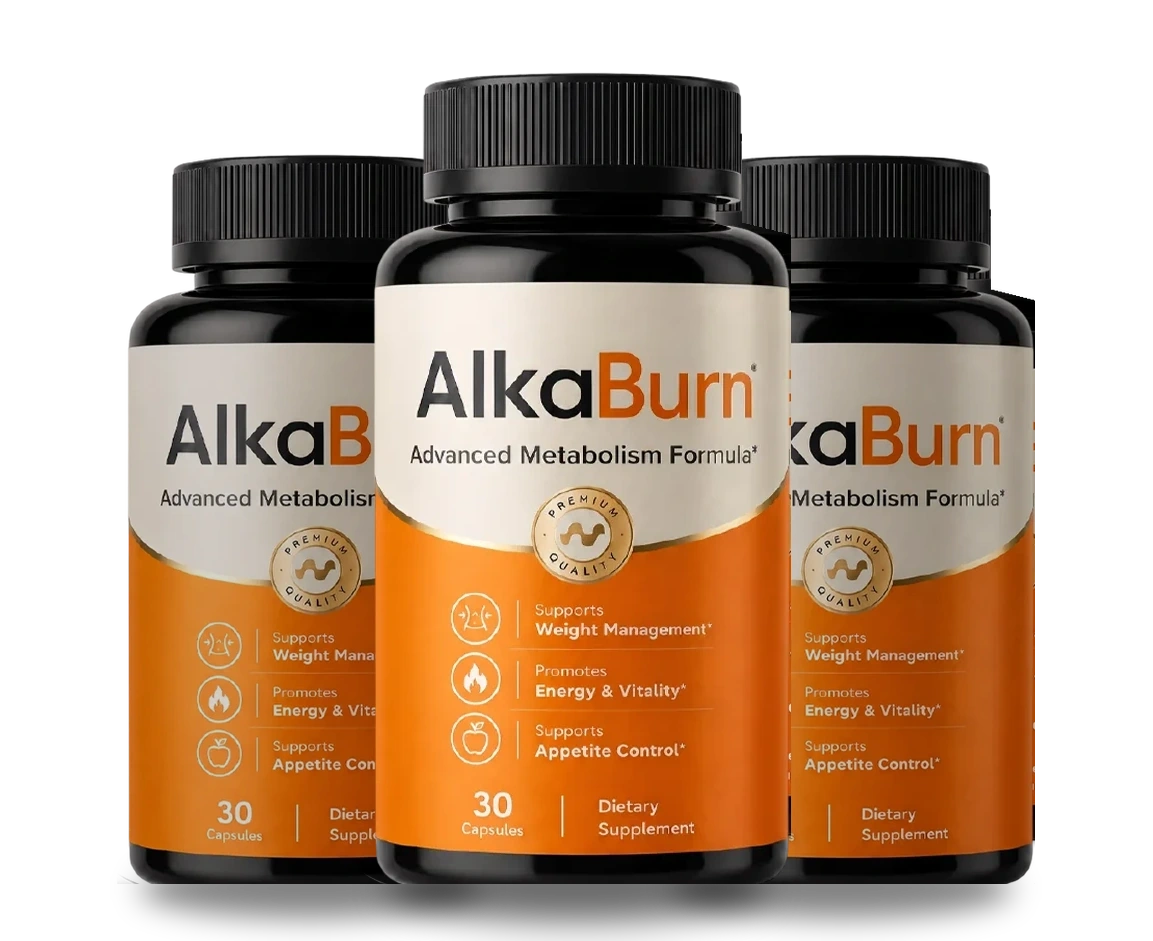
AlkaBurn prints 138mg of caffeine per capsule plus its botanicals — no proprietary blend. See the full panel and current pricing.
See AlkaBurn PricingHow to use a suppressant so it actually helps
A suppressant does not lower calories by itself; it makes lowering them easier at the moments that matter. Use that window deliberately. Take the capsule early, then anchor your next meal with protein and fiber so the fullness continues after the caffeine's edge fades. Drink water before you eat, since thirst masquerades as hunger constantly. And do not treat the quiet window as a reason to skip meals entirely — skipped meals lead to the exact evening binge that undoes the whole day.
Sleep deserves a specific mention here, because a stimulant suppressant can quietly sabotage it, and short sleep worsens appetite the next day. If you find yourself needing the suppressant more as the week goes on, check whether late dosing is stealing your sleep and creating the hunger you are then trying to suppress. The tool should reduce your reliance on willpower, not build a loop you have to keep feeding.
Three honest answers to common objections
"If it worked, I wouldn't need to diet at all." A non-prescription suppressant is a support tool, not a replacement for the deficit. It makes the deficit easier to hold by taking the edge off hunger at the hard moments. Expecting it to do the whole job is the number-one reason people call these products useless — they were using them for the wrong purpose.
"Over-the-counter means it does nothing." Over-the-counter is a legal status — sold without a prescription, regulated as food — not a verdict on effectiveness. Caffeine at a coffee-strength dose does something real and measurable. The category's bad name comes from blends and impossible claims, not from the concept of a no-script suppressant.
"More caffeine must mean better results." No. Past your personal tolerance, more caffeine buys jitters, a racing heart and lost sleep — and lost sleep makes you hungrier. The right dose is the one that opens the hunger window without wrecking your evening, which is exactly why a disclosed number like 138mg is more useful than a vague "maximum strength" claim.
What to expect in the first two weeks
Buyers quit early because they expected the wrong thing on the wrong timeline, so let us be specific. On day one, a coffee-strength dose of caffeine on a fresh tolerance is noticeable: cleaner energy, a quieter appetite for a few hours, and — if you take it too late — a harder time falling asleep. Use those first few days to learn your own response. Take it early, watch how your hunger and your sleep react, and adjust the timing before you adjust anything else.
Across the two weeks, two things tend to happen. The energy lift becomes less dramatic as your body adjusts to the caffeine, which is normal and not a sign the product has stopped working. And the appetite window becomes something you plan around rather than notice — you learn to line up your harder meal or your workout with it. What you should not expect is the scale moving on the capsule alone. The suppressant makes the eating decisions easier; the eating decisions move the scale. If you are also curious how real customers describe the experience, our roundup of AlkaBurn reviews for 2026 collects the common themes without repeating unverified star ratings.
OTC versus prescription appetite suppressants
It is worth being clear about the ceiling. Prescription appetite suppressants and weight-loss medicines are a different category entirely — approved drugs, prescribed by a clinician for people who meet specific criteria, taken under monitoring, and capable of effects an over-the-counter supplement cannot reach. They also carry their own side effects and are not right for everyone. A no-script suppressant like the ones in this guide lives in the lane below: modest, non-prescription, regulated as food, and best used to support a plan rather than to replace medical care.
So the choice is not really "which is stronger." It is "which lane fits me." If your situation is clinical, that is a doctor's conversation. If you simply want an accessible tool to take the edge off hunger while you do the ordinary work of eating a bit less and moving a bit more, an over-the-counter option you can buy today, and evaluate on a printed dose, is a reasonable place to start.
Where AlkaBurn fits, honestly
For someone who tolerates caffeine and wants a no-script option they can evaluate on the numbers, AlkaBurn is a reasonable pick for one plain reason: it discloses. The 138mg of caffeine is printed, the botanical extracts are standardised, and it is a single daily capsule, so there is no hidden blend and no complicated schedule. That transparency is what lets you match it to your tolerance and count your daily total honestly — the two things this whole article says matter most.
It will not switch your appetite off, and we would not trust a product that claimed to. What it can do is provide a coffee-strength window of reduced hunger and higher energy that you use to eat sensible portions and move a little more. If you would rather build your suppression around food and non-stimulant habits first, our guide to natural appetite suppressant options for curbing hunger lays out that route in full.
This article is about non-prescription appetite support and how to use it sensibly. It is not medical advice, and these statements have not been evaluated by the Food and Drug Administration. This product is not intended to diagnose, treat, cure or prevent any disease. Speak to a qualified healthcare professional before starting any supplement, especially if you take medication or manage a health condition such as high blood pressure.
Ready to try a no-script appetite suppressant?
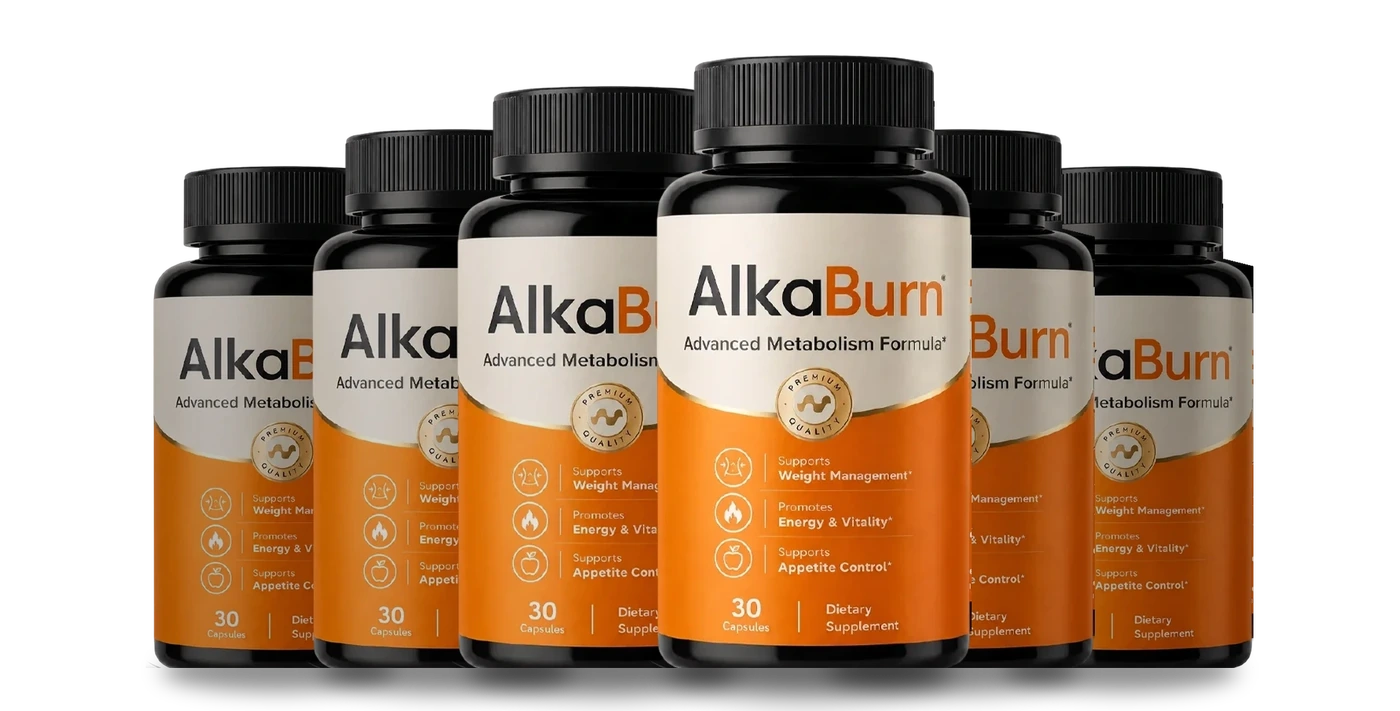
If a labeled, once-daily capsule with 138mg of disclosed caffeine fits your tolerance, check AlkaBurn's bundles and 60-day guarantee.
Order AlkaBurn NowFrequently asked questions
What appetite suppressant works without a prescription?
Non-prescription appetite support relies on three things: stimulants like caffeine, soluble fiber, and botanicals such as garcinia. Caffeine has the most consistent short-term effect on perceived hunger. Effect sizes are modest, so pair any of them with protein and hydration to see a real difference.
Are appetite suppressants safe to take daily?
Fiber-based options are generally fine daily. Stimulant-based suppressants are tolerated by many healthy adults at labeled doses, but caffeine adds to your coffee and tea and can affect sleep, heart rate and blood pressure. If you manage blood pressure or a heart condition, consult a clinician before daily use.
How fast do appetite suppressants work?
Caffeine-based suppression can be felt within 30 to 60 minutes and lasts a few hours. Fiber works over the course of a meal as it slows digestion. None of them are permanent — they create a window of reduced hunger that you use to eat sensible portions, not a lasting change on their own.
Can you get an appetite suppressant over the counter?
Yes. Over-the-counter appetite suppressants are sold as dietary supplements without a prescription and are regulated as food, not drugs. AlkaBurn is one labeled example, built around 138mg of caffeine per capsule plus botanical extracts, with the doses printed on the panel.