Over-the-Counter Weight Loss Pills That Work
Do over-the-counter weight loss pills actually work?
Over-the-counter weight loss pills can give modest, real support — a slightly higher calorie burn and less perceived hunger — but only alongside a calorie deficit, and never at prescription-drug strength. The ingredients with the most consistent human data are caffeine and green tea catechins, so look for those at disclosed doses.
- Expect a small assist, not a transformation — the deficit still does the heavy lifting.
- Caffeine and green tea (EGCG) carry the strongest thermogenic evidence; check the dose is printed.
- No OTC pill treats obesity as a disease — that is a prescription category with its own rules.
If you have typed over the counter weight loss pills into a search bar this week, you were probably hoping for a straight answer to one question: do any of them do anything? The honest reply is yes, a little — and understanding exactly how little, and from which ingredients, is what separates a smart purchase from a wasted one. This guide walks through what non-prescription pills can realistically deliver, which ingredient types have research behind them, and how a labeled product such as AlkaBurn fits into that picture without any of the miracle language the category is famous for.
The weight-loss aisle runs on hope, and hope is easy to sell. It is harder, and more useful, to set the right expectation up front: a good over-the-counter pill is a support tool that sits on top of the work, not a substitute for it. Read on and you will know what to look for on a label, what to ignore in the marketing, and when to close the tab entirely.
What over-the-counter weight loss pills can — and cannot — do
Start with the ceiling. Every credible review of the evidence, including the NIH Office of Dietary Supplements' summary for weight loss, lands in the same place: the effects of supplement ingredients are small, inconsistent between people, and dwarfed by diet and activity. That is not a knock on the whole category; it is the frame you need to judge any product honestly. A pill that adds a few percent to your daily energy expenditure, or takes a little edge off your appetite, is doing what a good OTC pill is supposed to do. A pill that claims to "melt fat" while you sleep is describing something no non-prescription supplement has ever been shown to do.
Here is the mechanism in plain terms. Fat loss happens when you take in less energy than you spend, sustained over weeks. An over-the-counter pill can influence two small levers on that equation: it can raise the "spend" side slightly through thermogenesis, and it can lower the "take in" side slightly by blunting hunger. Both effects are real and both are modest. Neither rewrites the equation. If the deficit is not there, no capsule creates one for you.
What OTC pills categorically cannot do is treat obesity as a medical condition. That distinction is not marketing hair-splitting — it is the legal and clinical line between a food and a drug. Dietary supplements are regulated as food. They are not approved to diagnose, treat, cure or prevent disease, and any product that implies otherwise is making a claim it is not allowed to make.
The ingredients with actual evidence behind them
Ignore the label design and look at what is inside. A handful of ingredients keep showing up in the research with at least some consistent human support, and a much longer list shows up mainly in advertising.
Caffeine is the most reliable of the group. It raises energy expenditure slightly, can improve exercise output, and blunts perceived hunger in the short term. It is also the ingredient most people already consume daily, which is exactly why the dose on the label matters — you are adding to your coffee, not starting from zero. If you want the mechanism in more depth, our breakdown of how caffeine works for weight loss covers the timing and tolerance details.
Green tea catechins, and EGCG specifically, are the second name worth knowing. Standardised green tea extract has the most consistent thermogenic data after caffeine, and the two are often paired because their effects appear to complement each other. The key word is standardised — an extract that prints its catechin and EGCG percentages is telling you what you are actually getting.
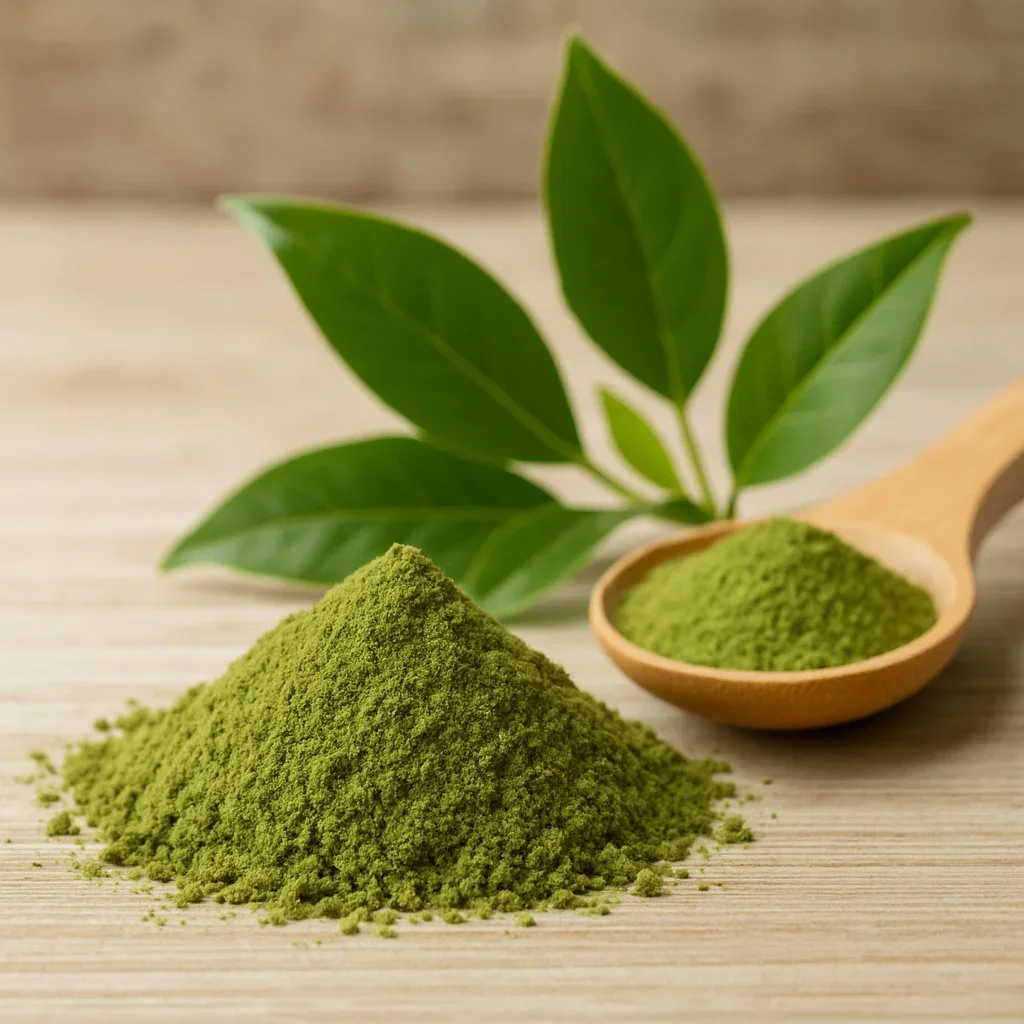
Fiber deserves a mention even though it is not glamorous. Soluble fiber slows digestion and helps with fullness, which can make a deficit easier to hold. It works through satiety rather than metabolism, and it is one of the few "appetite" tools with a mechanism you can feel. Botanicals such as garcinia (and its hydroxycitric acid) show up widely with preliminary, mixed evidence — worth understanding, not worth overpromising. For the fuller picture on how these pieces are marketed and priced, our overview of diet supplements for weight loss is a useful companion read.
The pattern across all of them is the same: the effect sizes are small, so the disclosed dose matters more than the ingredient name. A famous ingredient at an invisible dose is marketing. A modest ingredient at a printed, research-relevant dose is a product you can actually evaluate.
How to read a label so you don't get fooled
This is the single most valuable skill in the whole category, and it takes about thirty seconds per product. Turn to the Supplement Facts panel and ask three questions. First, is the caffeine (or any stimulant) listed on its own line with a number, or hidden inside a "proprietary blend"? A blend weight tells you the total but hides how much of each ingredient you are getting — which is exactly the information you need. Second, are the botanical extracts standardised, with percentages printed? Third, does the serving size match the marketing — is that "clinical dose" the amount in one serving, or spread across a day's worth of capsules?
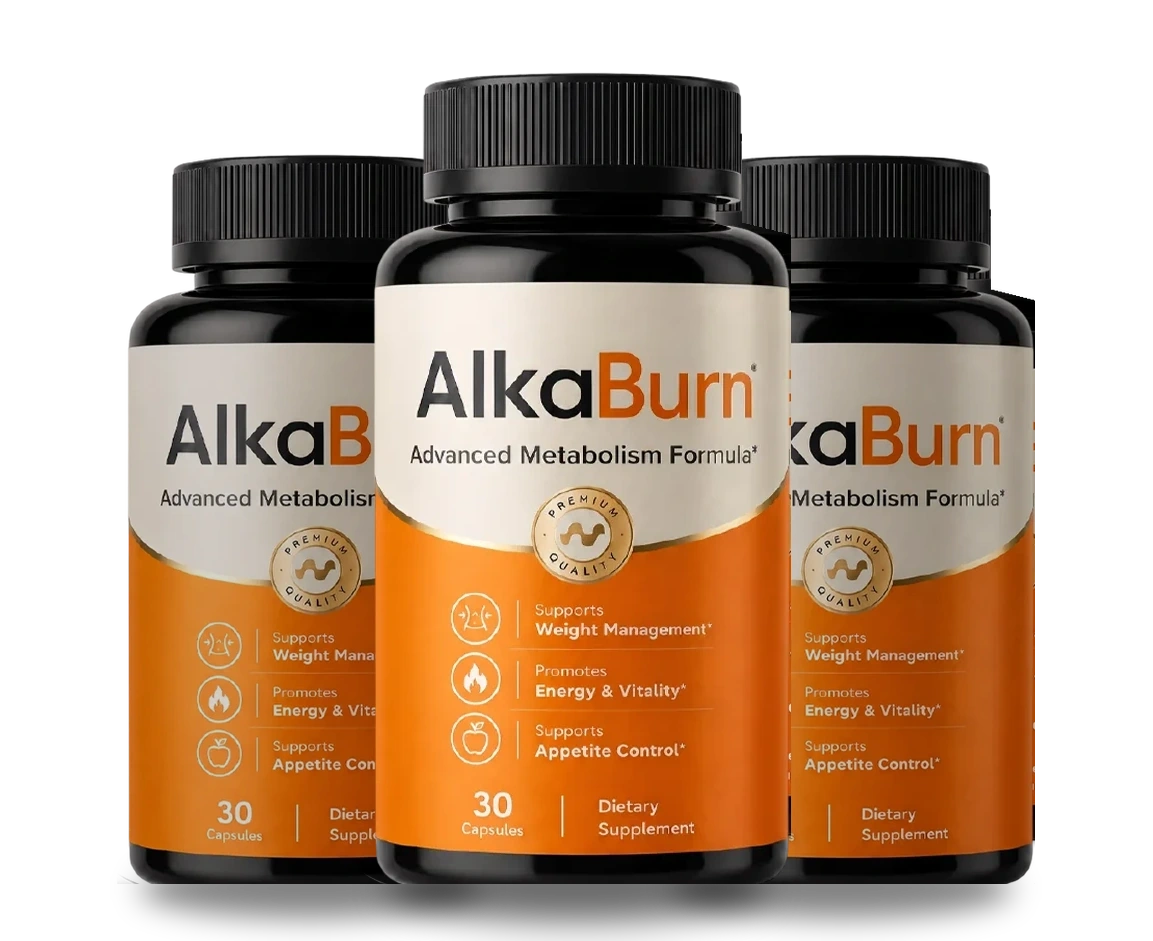
A label that answers all three cleanly is the behaviour of a product that expects to be read. That is the frame we applied when we looked at AlkaBurn: it prints an amount for each of its actives rather than folding them into a blend, which means you can judge it on the numbers instead of the adjectives. It is a once-daily capsule combining caffeine anhydrous with standardised botanical extracts, and — like everything in this category — it is a support tool, not a cure.
Want a labeled OTC option with disclosed doses?
AlkaBurn prints an amount for every active — caffeine and botanicals alike. See the full panel and today's pricing before you decide.
See AlkaBurn PricingThree objections worth taking seriously
"If they worked, everyone would be thin." This objection is right about the ceiling and wrong about the value. OTC pills do not work like drugs, so of course they have not ended obesity. But "modest" is not the same as "useless." A small, consistent nudge — a little more burn, a little less hunger — can be the difference between a deficit you can sustain and one you abandon by Thursday. The mistake is expecting the pill to do the job of the diet, not using the pill to make the diet stick.
"Natural means safe, so dose doesn't matter." Caffeine is natural and it still raises heart rate and blood pressure, still disrupts sleep if taken late, and still stacks on top of your coffee. "Natural" describes an origin, not a safety guarantee. This is exactly why disclosed doses are a safety feature, not just a transparency nicety — you cannot manage a stimulant you cannot count.
"Over-the-counter must mean weak and pointless." Not quite. Over-the-counter means sold without a prescription and regulated as food — a legal status, not a verdict on effectiveness. The best OTC ingredients have real, if small, effects. The category's bad reputation comes from proprietary blends and impossible claims, not from the idea of a non-prescription pill. Judge the individual label, not the aisle.
Where AlkaBurn fits, honestly
If you have decided a supplement makes sense for you, the question becomes which one, and on what grounds. AlkaBurn earns a place in the conversation for a specific reason: it discloses. The caffeine is printed on its own line, the botanical extracts carry standardisation percentages, and the serving is a single daily capsule so there is no math to hide behind. That does not make it magic, and we will not pretend it does. It makes it legible — you can see what you are taking and decide whether the dose is worth it for you.
Used the way OTC pills should be used, it is one input among several: a calorie deficit you can live with, protein and fiber to manage hunger, movement most days, sleep you protect, and a labeled capsule that adds a small thermogenic and appetite nudge on top. If you are weighing it against a doctor-prescribed route, our comparison of AlkaBurn versus prescription weight loss options lays out where each one genuinely belongs.
The people who are disappointed by over-the-counter pills are almost always the ones who bought them to replace the work. The people who are quietly satisfied are the ones who bought them to support work they were already doing. Set the expectation at the right height and the whole category makes more sense.
OTC versus prescription: knowing which lane you're in
A lot of disappointment in this category comes from people shopping in the wrong lane. Over-the-counter pills and prescription weight-loss medicines are not two strengths of the same thing — they are two different categories with different rules, different oversight, and wildly different effect sizes. Prescription medicines are approved drugs, prescribed by a clinician for people who meet specific medical criteria, taken with monitoring, and they can produce results an OTC supplement simply cannot match. They also carry their own risks and side effects, and they are not available or appropriate for everyone.
Over-the-counter pills occupy the lane below that: modest support, no prescription, sold as food. The right question is not "which is stronger" — obviously the drug is — but "which lane fits my situation." If you have a serious amount of weight to lose and a clinical reason to lose it, that is a conversation for a doctor, not a supplement aisle. If you are looking to make an already-decent plan a little easier to stick to, a labeled OTC pill is a sensible, low-commitment tool. Trying to make an OTC pill do a prescription's job is the mismatch that leaves people convinced nothing works.
What a realistic month actually looks like
Set the timeline honestly and you will not quit in week two. A good month with an over-the-counter pill is undramatic. In the first week or two, the most noticeable thing is usually the caffeine — a bit more energy, a slightly quieter appetite in the hours after you take it, and, if you dose it wrong, worse sleep. That energy and appetite window is the point: it is what you use to eat a little less and move a little more, and the scale responds to those choices, not to the capsule directly.
By the end of the month, if the pill is doing its job, the honest description is that your plan felt a little easier to hold than it would have without it — fewer afternoon collapses, a bit more willingness to walk. That is a genuinely worthwhile outcome, and it is also nothing like the before-and-after photos the category trades on. Judge the product against that realistic bar and you will make a good decision. Judge it against the marketing and no product will ever pass.
A simple checklist before you buy
Before you add anything to a cart, run the label through five quick tests. Is the caffeine dose printed, not blended? Are the botanicals standardised? Does the serving match the marketing? Have you added the caffeine to your existing daily intake to check the total? And does the product make honest support claims rather than disease claims? A product that passes all five is worth considering. One that fails two or more is telling you what it is.
This article is about ingredient evidence and label transparency in non-prescription supplements. It is not medical advice, and these statements have not been evaluated by the Food and Drug Administration. This product is not intended to diagnose, treat, cure or prevent any disease. Speak to a qualified healthcare professional before starting any supplement, especially if you take medication or manage a health condition.
Ready to try a transparent OTC option?
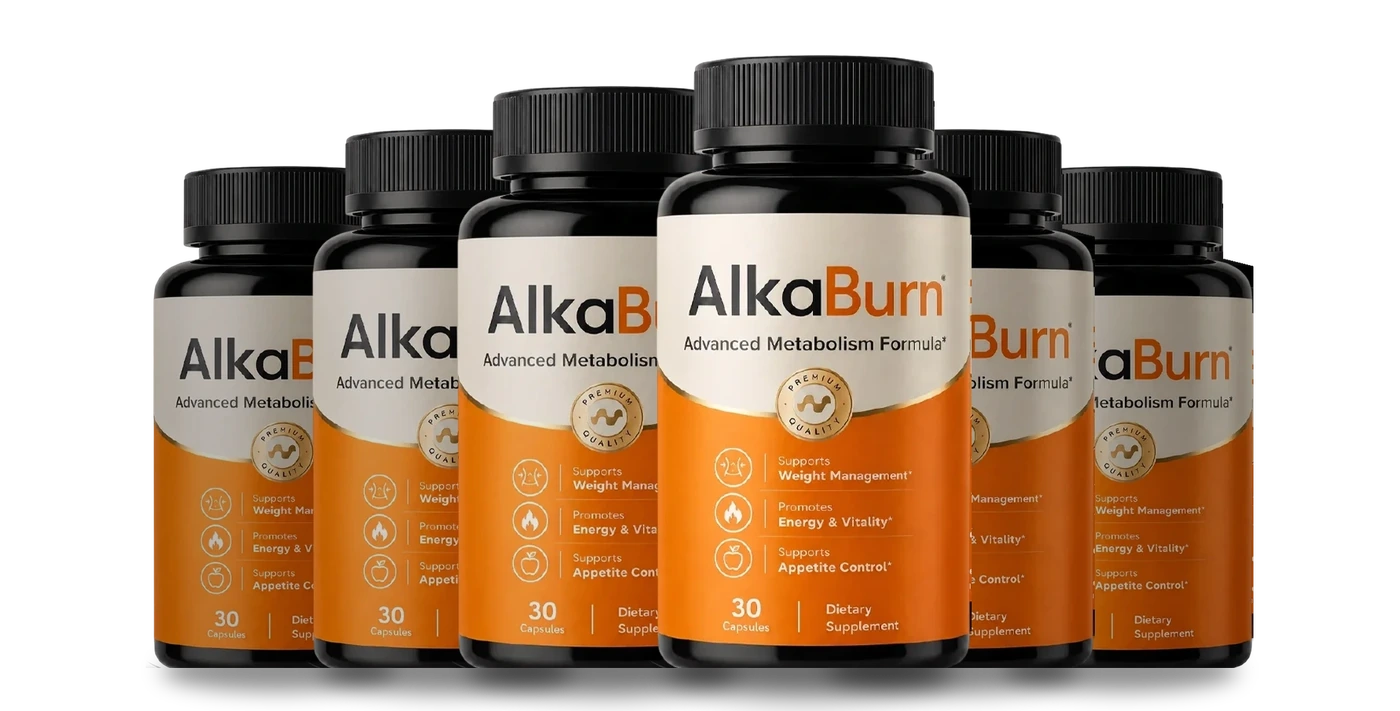
If a labeled, once-daily capsule with disclosed doses fits your plan, check AlkaBurn's current bundles and 60-day guarantee.
Order AlkaBurn NowFrequently asked questions
Do over-the-counter weight loss pills really work?
They can offer modest support — a little more thermogenesis, a little less perceived hunger — when they sit on top of a calorie deficit and disclose real doses. They do not work like a prescription drug, and no over-the-counter pill will out-run diet and activity on its own.
What OTC ingredients are proven for weight loss?
Caffeine and green tea catechins (EGCG) have the most consistent human data for a small thermogenic effect. Fiber can aid fullness, and some botanicals have preliminary support. Effect sizes are small, so the disclosed dose matters more than the marketing.
Are OTC weight loss pills safe?
Most stimulant-based pills are tolerated by healthy adults at labeled doses, but caffeine adds to whatever you already drink and can raise heart rate, blood pressure and anxiety. Anyone pregnant, nursing, under 18, or managing a heart, thyroid or anxiety condition should speak to a clinician first.
Do you need a prescription for weight loss pills?
No — over-the-counter dietary supplements are sold without a prescription and are regulated as food, not drugs. Prescription weight-loss medicines are a separate category with stronger effects, closer monitoring and their own risks, prescribed by a clinician for people who meet specific criteria.