Berberine vs AlkaBurn for Weight Loss
Is berberine or AlkaBurn better for weight loss?
Neither is clearly better — they work differently. Berberine is a non-stimulant that activates AMPK and supports blood-sugar and appetite control, with about 2 kg over placebo in trials above one gram daily for two months. AlkaBurn leans on caffeine-driven thermogenesis and EGCG. Choose by whether you want a stimulant or not.
- Berberine = non-stimulant, blood-sugar and appetite angle, taken with meals.
- AlkaBurn = stimulant thermogenic, caffeine plus green tea EGCG, taken early.
- Neither mimics prescription GLP-1 drugs — expect modest, not dramatic, results.
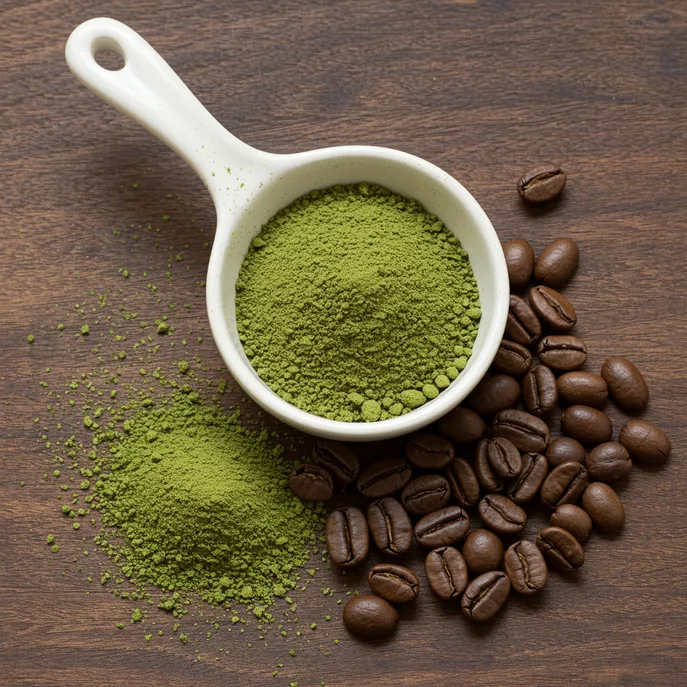
Search any weight-loss forum this year and one plant compound dominates the conversation. Interest in berberine for weight loss exploded after it was nicknamed "nature's Ozempic," and shoppers now routinely ask how it stacks up against a conventional thermogenic fat burner like AlkaBurn. It is a genuinely useful comparison, because the two work by almost opposite routes — one is a non-stimulant that nudges your metabolism from the inside, the other is a stimulant that turns up heat production and energy. Picking between them is less about which is "stronger" and more about which mechanism, and which set of side effects, fits your body and your day.
This guide compares them honestly: how each one works, what the evidence actually shows, whether the Ozempic comparison holds up (it does not), whether you can safely combine them, and how to choose. We earn commission on AlkaBurn, so we will keep the scale realistic on both sides.
How berberine works for weight loss
Berberine is a bright-yellow alkaloid found in plants such as barberry, goldenseal and Oregon grape, used for centuries in traditional medicine and now studied mainly for its effects on blood sugar. Its headline mechanism is activation of an enzyme called AMPK — often described as the cell's "metabolic master switch." When AMPK is active, cells shift toward using energy rather than storing it, which is why berberine influences glucose handling, insulin sensitivity and, indirectly, appetite and fat storage.
What does that translate to on the scale? The honest number is modest. Meta-analyses of randomised trials tend to land around two kilograms of additional weight loss over placebo, and only under specific conditions: doses above roughly one gram a day, taken for at least eight to twelve weeks, usually split into two or three doses with meals. Below that threshold, or over shorter courses, the effect largely disappears. Berberine also has a well-known downside — it commonly causes digestive upset (cramping, diarrhoea or constipation), which is precisely why it is dosed gradually and split across the day. Its real strength is metabolic: for people wrestling with blood-sugar control, the glucose data is more consistent than the weight data. As a pure fat-loss tool, it is a modest, non-stimulant aid.
How AlkaBurn works for weight loss
AlkaBurn takes the opposite approach. It is a once-daily capsule built on thermogenesis — raising the small amount of energy your body spends producing heat — driven mainly by caffeine anhydrous and the catechins in green tea extract, chiefly EGCG. Caffeine gives a measurable short-term bump in energy expenditure, can blunt appetite a little, and improves the drive to move and train. EGCG adds a smaller, complementary thermogenic effect and pairs naturally with caffeine.
The trade-offs mirror berberine's in reverse. AlkaBurn's effect is felt quickly — energy and alertness within the hour — where berberine works quietly over weeks. But because the active is a stimulant, it carries stimulant cautions: it can affect sleep if taken late, it stacks on top of the coffee you already drink, and it is not for everyone. Anyone sensitive to caffeine, or managing blood pressure, anxiety or a heart-rhythm issue, needs to weigh that. If you want the detail on the stimulant side specifically, our note on how a natural appetite suppressant curbs hunger covers where caffeine's appetite effect fits.
Berberine vs AlkaBurn at a glance
| Factor | Berberine | AlkaBurn |
|---|---|---|
| Type | Non-stimulant plant alkaloid | Stimulant thermogenic capsule |
| Main mechanism | AMPK activation, blood-sugar and appetite support | Caffeine-driven thermogenesis plus green tea EGCG |
| Typical effect on weight | ~2 kg over placebo at >1 g/day for >8 weeks | Small thermogenic and appetite assist; individual |
| When you take it | Split with meals, 2–3 times daily | Once daily, early in the day |
| Speed of effect | Gradual, over weeks | Energy felt within the hour |
| Common downsides | Digestive upset; drug interactions | Sleep, jitters, adds to daily caffeine |
| Best suited to | Those wanting a non-stimulant, blood-sugar angle | Those who tolerate caffeine and want daytime energy |
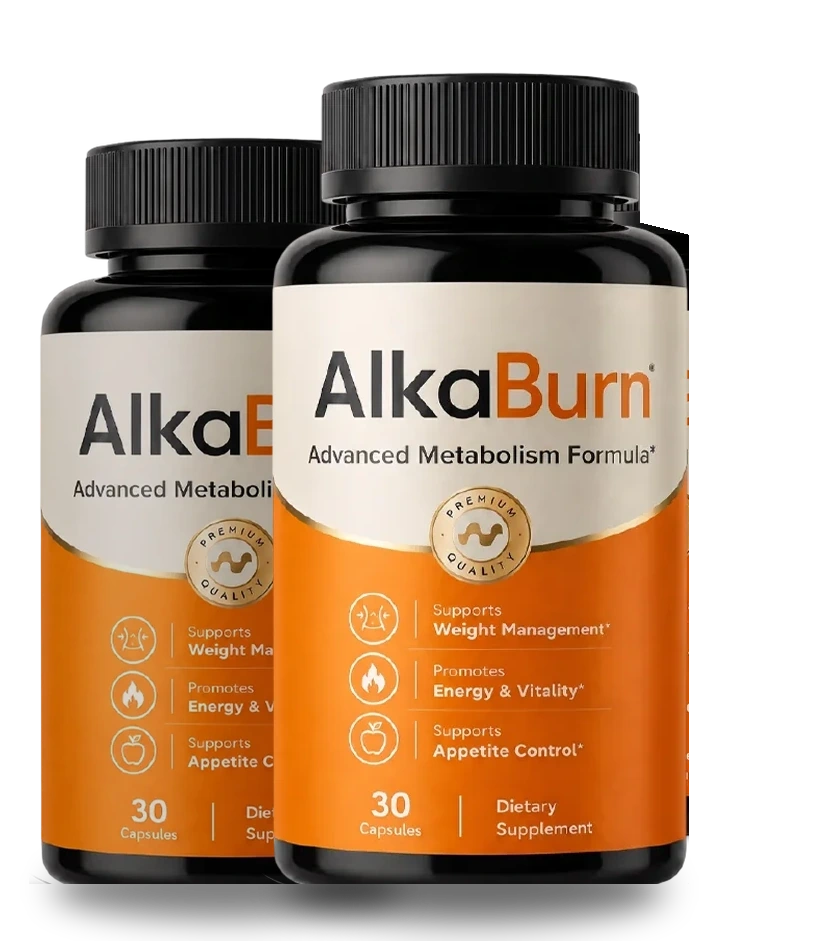
Prefer the caffeine + EGCG route?
AlkaBurn is a once-daily thermogenic built around caffeine anhydrous and green tea extract. Read the full printed panel and today's pricing before you choose.
Order NowDoes berberine work like Ozempic?
This is the myth that needs dismantling, because it is doing real damage to expectations. The "nature's Ozempic" label is marketing shorthand, not science. Ozempic and similar drugs are GLP-1 receptor agonists — prescription medications that powerfully mimic a gut hormone to slow digestion and dramatically reduce appetite, producing large, sustained weight loss under medical supervision. Berberine does none of that. It does not act on the GLP-1 receptor, it is not a drug, and its effect on weight is roughly an order of magnitude smaller than what the prescription medications achieve.
Comparing a two-kilogram average supplement effect to double-digit percentage losses from a prescription drug is not a fair fight, and pretending otherwise sets you up for disappointment. The same caution applies to AlkaBurn: no thermogenic capsule mimics or replaces a GLP-1 medication either. If you take one honest thing from this article, take this — both berberine and AlkaBurn are modest metabolic aids that support a good diet and activity plan. Neither is a shortcut around one, and neither is a substitute for a conversation with your doctor about medical weight-loss options if that is what you actually need.
Can you take berberine with a caffeine fat burner?
Because the two work by separate mechanisms, some people run them together — berberine with meals for the blood-sugar and AMPK angle, a caffeine thermogenic in the morning for energy. On paper the mechanisms do not conflict. In practice, stack cautiously. Berberine can lower blood sugar and interacts with a long list of medications, including some for diabetes, blood pressure and blood thinning, because it affects the same liver enzymes that process many drugs. Caffeine carries its own cautions around blood pressure, anxiety and sleep. Combining two active compounds multiplies the ways things can go sideways, so this is exactly the situation where a quick conversation with a pharmacist or clinician is worth it — particularly if you take any prescription.
A simpler and often smarter move for most people is to pick one mechanism, give it a fair eight-to-twelve-week trial, and judge it before adding anything else. That way, if something helps or something bothers you, you know which compound is responsible.
Why berberine went viral — and what the trend gets wrong
It is worth understanding how berberine became a household name, because the story explains most of the confusion around it. As prescription GLP-1 drugs like Ozempic and Wegovy dominated headlines and became hard to get, a huge audience went looking for something cheaper and available over the counter. Social media supplied a candidate, christened it "nature's Ozempic," and the nickname did the rest. Search interest exploded, stock sold out, and a genuinely interesting metabolic compound got saddled with an expectation it could never meet.
What the trend gets wrong is scale, not direction. Berberine really does influence glucose metabolism and can nudge weight down a little — that part is not fantasy. What is fantasy is the implied equivalence to a drug that produces many times the effect through a completely different mechanism. The result is a wave of buyers who try berberine, lose the couple of kilograms the evidence predicts (if that), and conclude the supplement "failed" because it did not behave like an injectable prescription. It did not fail; it was oversold. The same trap catches thermogenic buyers who expect AlkaBurn to melt fat on its own. In both cases the disappointment comes from the marketing, not the molecule.
Side effects and interactions worth taking seriously
Neither option is consequence-free, and pretending otherwise would be dishonest. Berberine's most common problem is gastrointestinal: cramping, diarrhoea or constipation, especially when someone jumps straight to a full gram or more instead of building up. More importantly, berberine is not a benign herb where drug interactions are concerned. It inhibits certain liver enzymes (the CYP450 family) that metabolise a large share of common medications, and it can add to the blood-sugar-lowering effect of diabetes drugs and the effect of blood thinners. That combination — potent enzyme interaction plus blood-sugar activity — is exactly why it deserves a pharmacist's eyes before you start, particularly alongside any prescription.
AlkaBurn's cautions are the familiar stimulant ones. Because the active is caffeine anhydrous plus green tea, it can disturb sleep if taken late, raise heart rate and blood pressure transiently, and worsen anxiety or jitters in sensitive people. It also stacks on top of the coffee, tea and cola you already drink, so the honest move is to count it as part of your total daily caffeine rather than treating it as separate. Anyone under 18, pregnant or nursing, or managing high blood pressure, a heart-rhythm disorder, anxiety or thyroid disease should treat a stimulant fat burner with the same care they would any caffeine source — and check with a clinician first. The point is not to scare you off either one; it is to make sure the mechanism you pick is one your body and your medication list can actually accommodate.
A realistic twelve-week expectation for either option
Whichever route you choose, judge it over a proper window, not a fortnight. Both berberine and a caffeine thermogenic are slow-burn tools whose evidence rests on eight to twelve weeks of consistent use paired with a sensible diet and some activity. Set a start date, keep the rest of your routine stable so you can actually attribute any change, and check in at the twelve-week mark. For berberine, "working" looks like steadier energy after meals, perhaps better blood-sugar readings if you track them, and maybe a couple of kilograms that would not otherwise have moved. For AlkaBurn, it looks like reliable daytime energy, slightly easier appetite control, and a small assist to the training and steps you are already doing.
If, at twelve weeks, honest reflection says nothing meaningful changed and the side effects were not worth it, the right decision is to stop — and to redirect that budget toward the fundamentals that never stop paying: protein, resistance training and daily movement. A supplement earns its place by adding to a working plan, and the twelve-week checkpoint is how you find out whether it did. Judge the tool on that evidence, not on the viral headline that sent you looking in the first place.
How to choose: stimulant or non-stimulant?
Forget "which is stronger." The better question is which mechanism suits you, and the answer usually comes down to two things: caffeine tolerance and timing.
Choose berberine if you are caffeine-sensitive, take a stimulant fat burner off the table for sleep or anxiety reasons, or your main interest is blood-sugar support with a possible modest weight benefit on the side. Accept in return that it is slow, needs a real dose across the day, and often causes some digestive upset at first.
Choose AlkaBurn if you tolerate caffeine well, want daytime energy and appetite support you can feel, and prefer a simple once-daily capsule taken early. Accept in return that it is a stimulant with the usual caffeine cautions and that it should be counted as part of your total daily caffeine.
Whichever way you lean, judge the specific product on its printed label — the named ingredients and their doses — rather than the category hype. If you are weighing AlkaBurn in particular, it is worth reading real-world AlkaBurn reviews and reported experiences for 2026 and our breakdown of whether AlkaBurn works and what to expect so your decision rests on evidence, not the "nature's Ozempic" headline that started your search.
This article compares two supplement ingredients for general education. It is not medical advice, and the statements on this product's label have not been evaluated by the Food and Drug Administration. This product is not intended to diagnose, treat, cure or prevent any disease. Speak to a qualified healthcare professional before starting any supplement, especially if you take medication or manage a health condition.
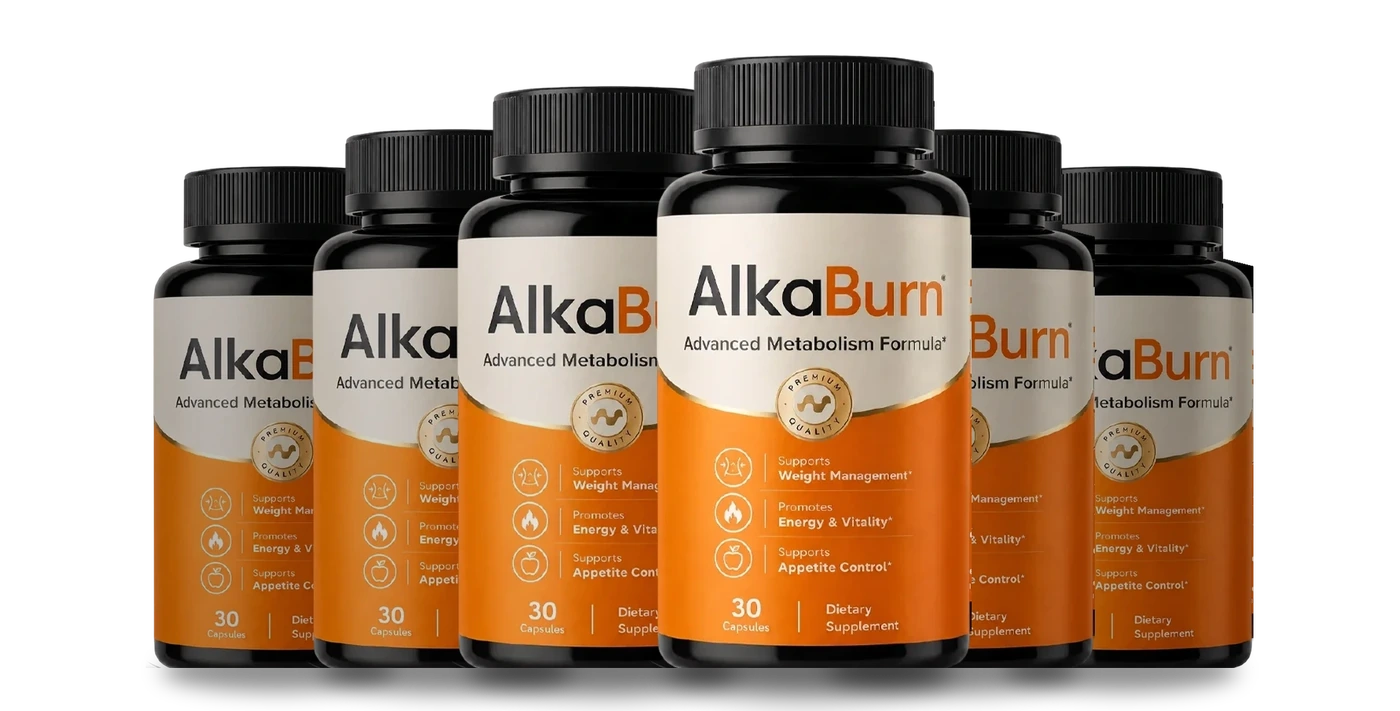
Decided the caffeine + EGCG route is yours?
See the full AlkaBurn Supplement Facts panel, the 60-day guarantee and today's official-store pricing before you commit.
Order NowFrequently asked questions
Is berberine or AlkaBurn better for weight loss?
Neither is clearly better; they work by different routes. Berberine is a non-stimulant that activates AMPK and supports blood-sugar and appetite control. AlkaBurn leans on caffeine-driven thermogenesis and green tea EGCG. The right pick depends mostly on whether you tolerate stimulants and what time of day you would take it.
Does berberine work like Ozempic?
No. The nickname is marketing, not science. Berberine does not mimic the GLP-1 drugs, and its effect on weight is far smaller — roughly a couple of kilograms over placebo in trials, versus the much larger, sustained losses seen with prescription GLP-1 medications. It is a modest metabolic aid, not a drug equivalent.
Can you take berberine with a caffeine fat burner?
Many people do, since berberine is non-stimulant and a caffeine fat burner is separate. But stack them cautiously: berberine can affect blood sugar and interacts with several medications, and caffeine adds its own cautions. Speak to a pharmacist or clinician before combining them, especially if you take any prescription.
How much berberine is needed for weight loss?
Trials that saw a modest benefit typically used more than one gram per day, usually split into two or three doses with meals, for at least eight to twelve weeks. Lower doses or short courses are unlikely to do much. Berberine can cause digestive upset, which is why it is dosed gradually.